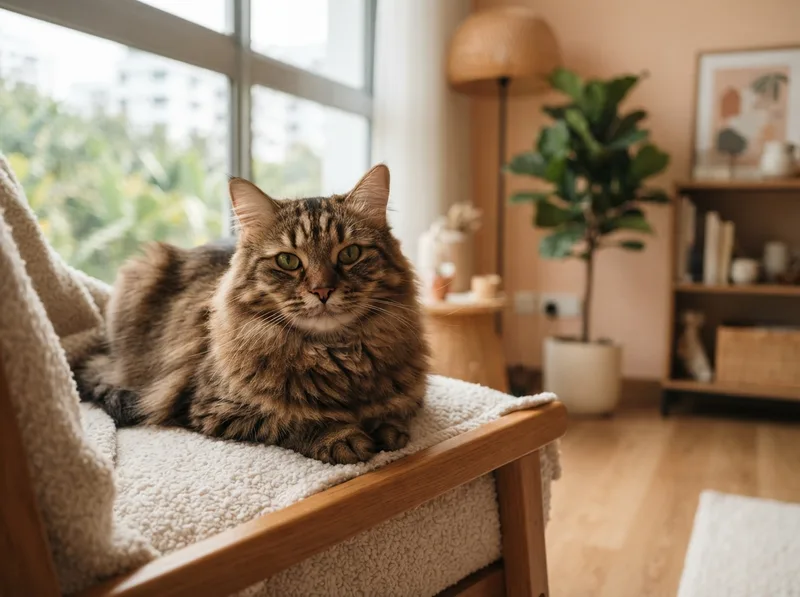
Kitten.sgFind my kitten

Singapore · Availability, honestly

Where to Buy Kittens in Singapore

Which kitten breeds are realistically findable here, what sets the wait for each one, and what to verify before you travel to a viewing. We are an independent guide — we hold no kittens and publish no stock list.

No listings, no prices16 breedsWaiting times explained

Where can you buy a kitten in Singapore?

There are three lawful routes: an AVS-licensed pet shop or cattery, an adoption or rehoming group, or an import brought in under an AVS permit. Only a licensed seller may sell a pet here, so the first thing to do with any seller is check the licence on PALS. Kitten.sg holds no kittens — we are an independent guide with no cattery partner, so this page explains what is realistically findable breed by breed, what lengthens each wait, and what to check before you view.

By the Kitten.sg editorial teamResearched in SingaporeUpdated 25 July 2026

Why there is no stock list

Only AVS-licensed sellers may legally sell pets in Singapore, and we are not one. Publishing a grid of kittens we do not have would be the fabrication this site exists to avoid. Tell us the breed instead and we will search licensed sources — including telling you when the answer is nothing this month.

Kitten breeds people are looking for in Singapore

Ranked by Singapore search demand. Each card opens the breed's full guide — temperament, HDB fit, grooming in this climate, health watch-list, what sets its wait and what drives its price. Cards are guides. Nothing on this site is an animal offered for sale.

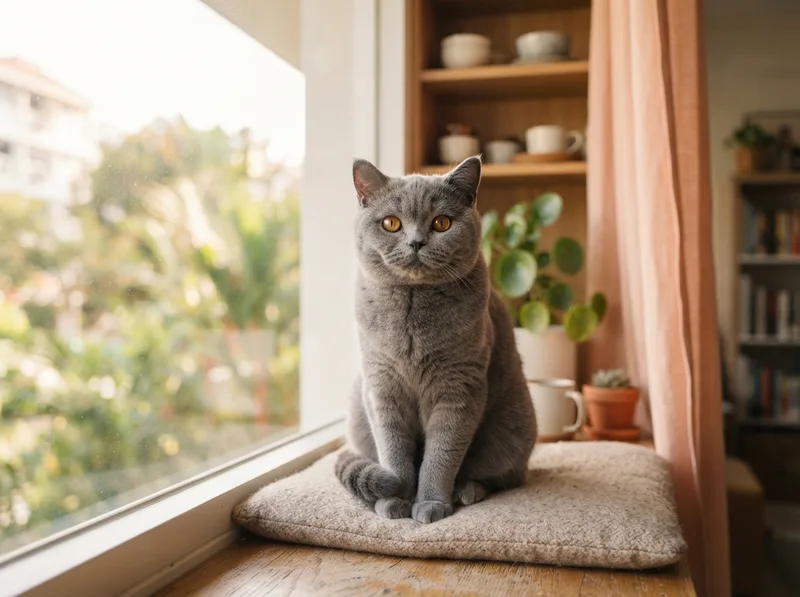
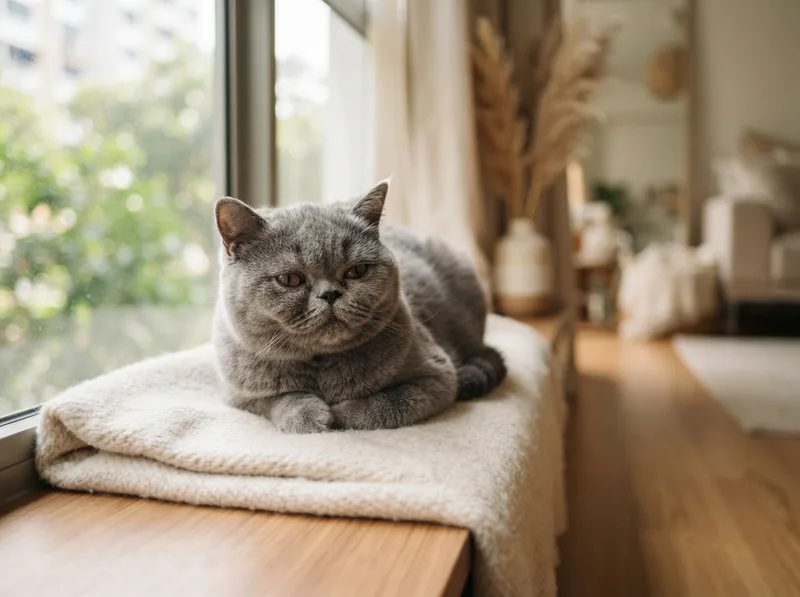
A British Shorthair catExcellent

British Shorthair kittens

First-time owners, working households, and HDB flats wanting a calm, undemanding cat.

Read more
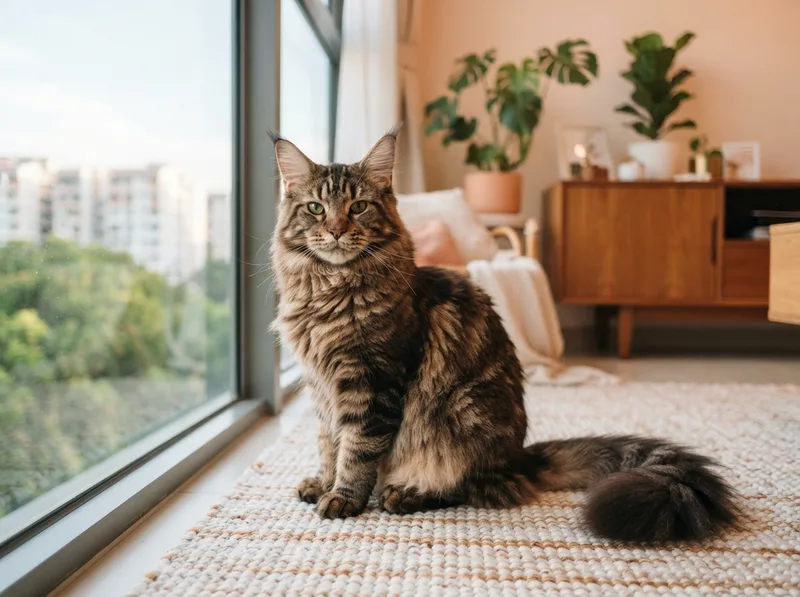
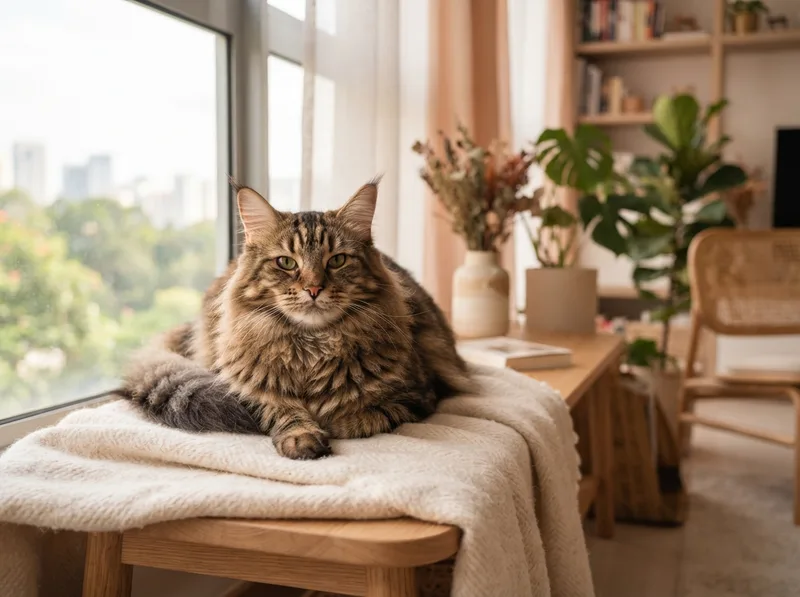
A Maine Coon catGood with space

Maine Coon kittens

Owners wanting an affectionate, interactive, dog-like cat and willing to groom regularly.

Read more
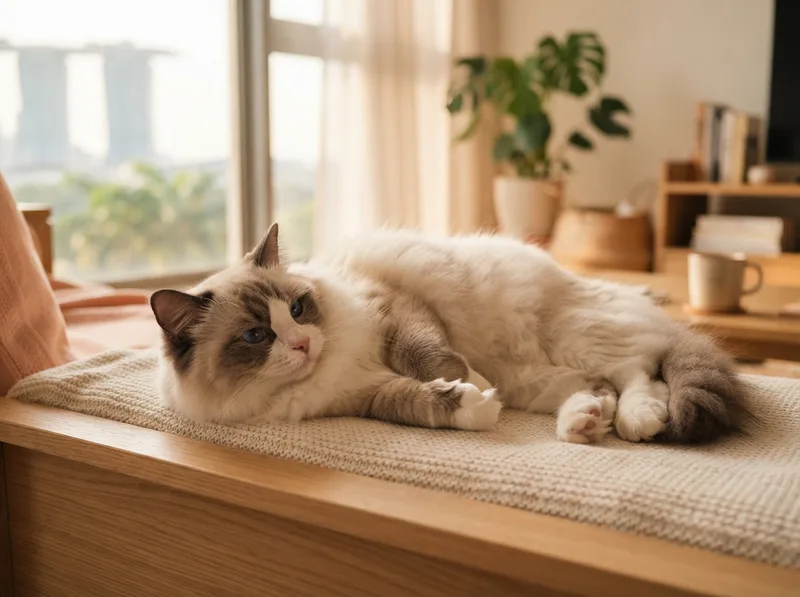
A Ragdoll catExcellent

Ragdoll kittens

Families, first-time owners and anyone wanting a cuddly, low-drama lap cat for a flat.

Read more
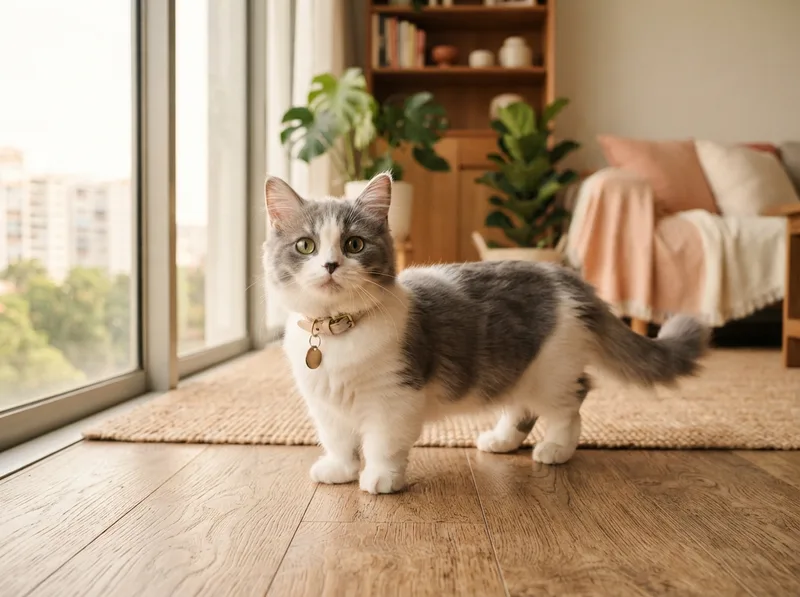
A Munchkin catVery good

Munchkin kittens

Owners in compact flats wanting a playful, sociable small cat, who will vet the breeder carefully.

Read more
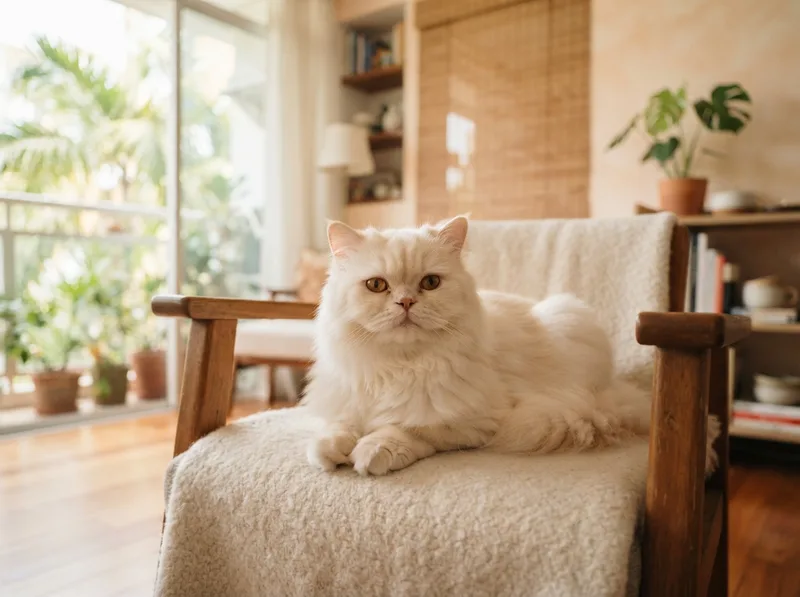
A Persian catGood, indoors

Persian kittens

Calm households that enjoy grooming and want a gentle, quiet companion.

Read more
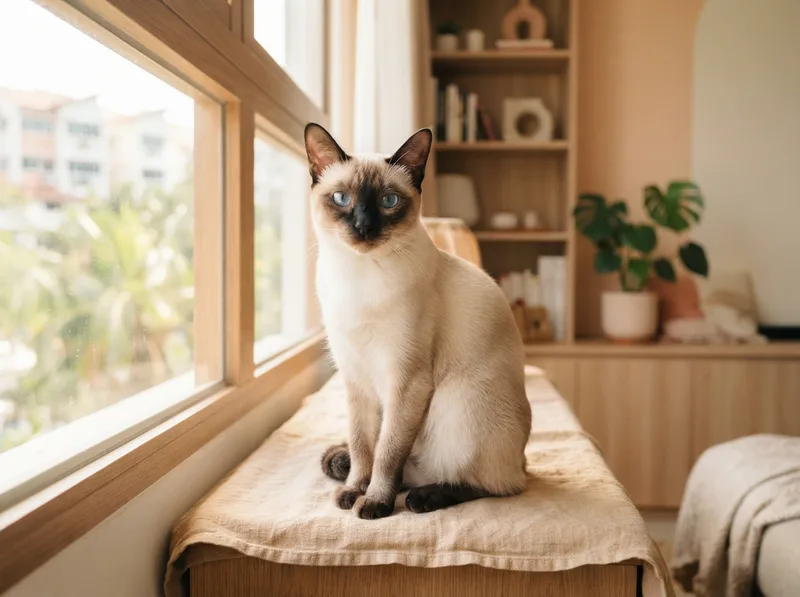
A Siamese catGood, if not alone

Siamese kittens

Interactive owners who are home often and want a talkative, affectionate, trainable cat.

Read more
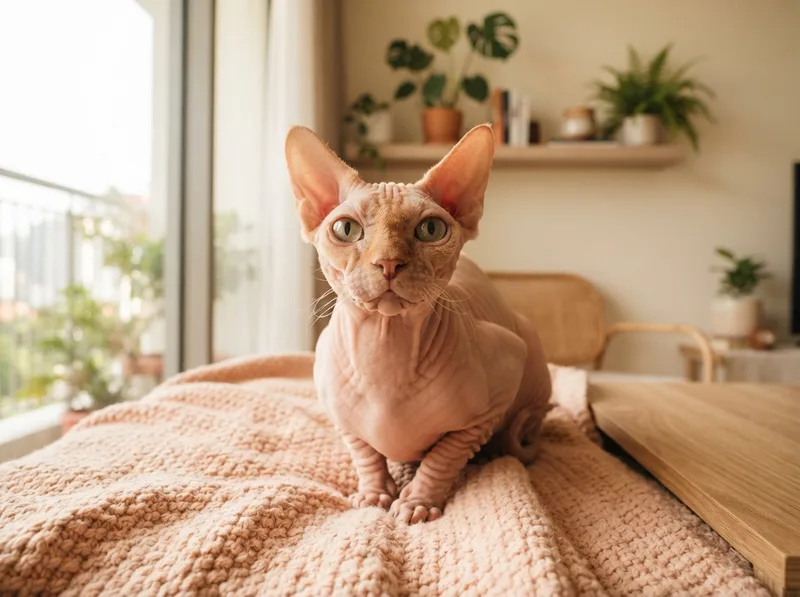
A Sphynx catGood

Sphynx kittens

Owners wanting an affectionate, unusual, interactive cat and happy to bathe them weekly.

Read more
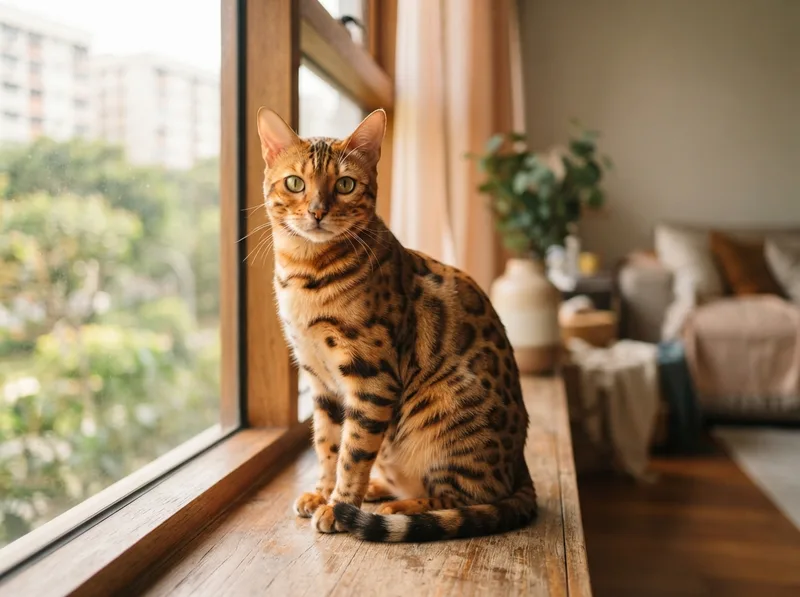
A Bengal catNeeds enrichment

Bengal kittens

Active owners who can provide vertical space, play and enrichment every day.

Read more
A Siberian catGood

Siberian kittens

Families, including some allergy sufferers, wanting a sturdy, friendly, playful cat.

Read more
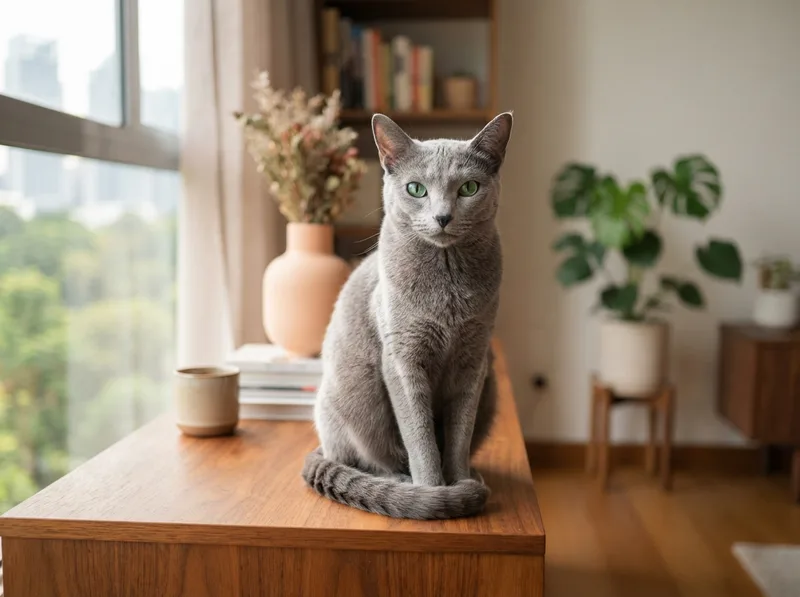
A Russian Blue catExcellent

Russian Blue kittens

Quiet households wanting a gentle, loyal, low-shedding and healthy cat.

Read more
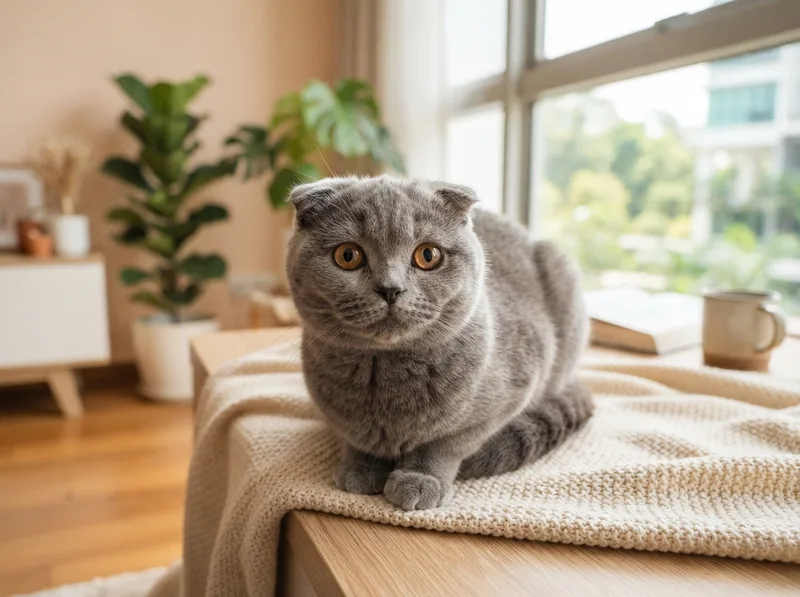
A Scottish Fold catGood

Scottish Fold kittens

Buyers who have read and accepted the welfare issues and will choose a rigorously screening breeder.

Read more
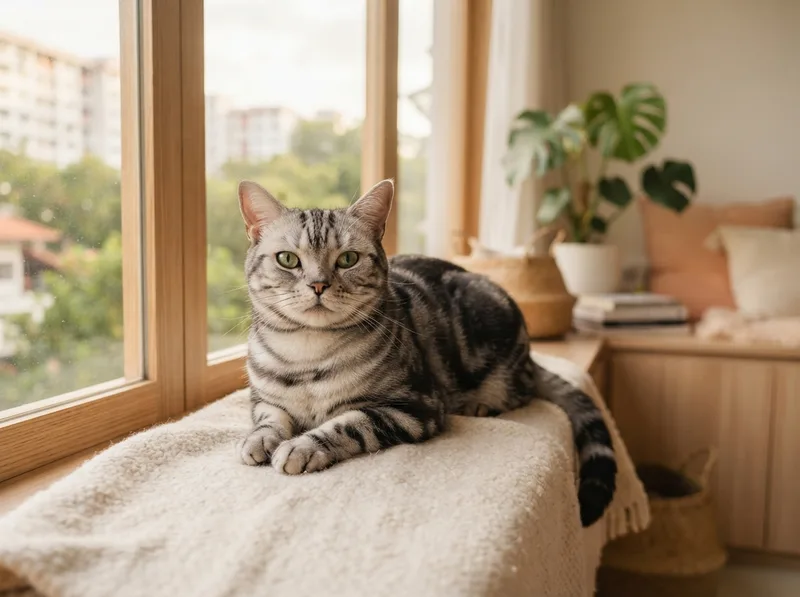
A American Shorthair catExcellent

American Shorthair kittens

First-time owners and families wanting a healthy, balanced, low-maintenance cat.

Read more
A Norwegian Forest Cat catGood with space

Norwegian Forest Cat kittens

Owners wanting a large, gentle, climbing cat and able to groom and keep interiors cool.

Read more
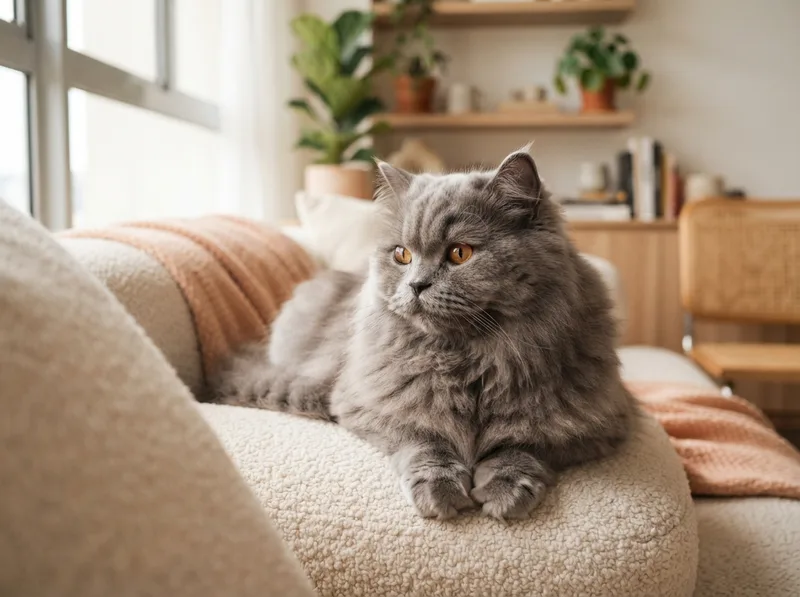
A British Longhair catExcellent

British Longhair kittens

Owners wanting a calm, plush, low-drama cat and happy to brush a longer coat.

Read more
A Exotic Shorthair catGood, indoors

Exotic Shorthair kittens

Persian lovers who want the look and temperament with far less grooming.

Read more
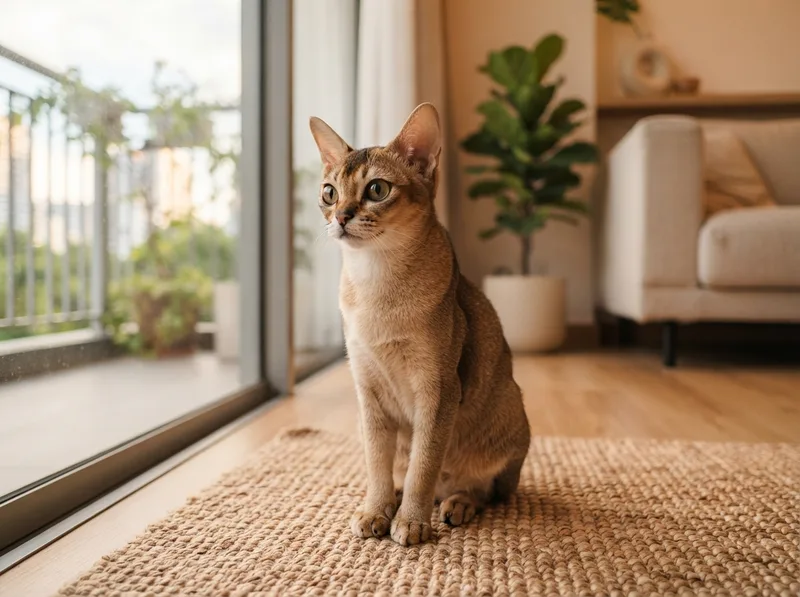
A Singapura catExcellent

Singapura kittens

Owners drawn to a small, lively, historically significant cat who are patient about availability.

Read more

Breed by breed

What each breed is like to look for

Six breeds account for most of what people ask us about. Here is the supply reality for each, which is the part a listing grid cannot tell you.

British Shorthair kittens

The most-requested pedigree kitten in Singapore and the one most consistently offered, so a British Shorthair kitten is usually the shortest search of any breed on this site — provided you will take the volume colour. Blue is that colour. Lilac, chocolate, cinnamon, golden and the colourpoint variants move you onto a planned-litter list instead of a current one, because far fewer are bred.

Demand here is high enough that several Singapore catteries keep British Shorthair queens of their own, so a meaningful share of the kittens offered were born locally rather than imported. That is unusual: for most breeds it runs the other way, and it is the main reason this breed moves faster than the rest.

Shortens the wait: Say yes to blue, and stay open on gender. Between them those two concessions do more to shorten a British Shorthair search than anything else you can offer.
Full British Shorthair guide

Munchkin kittens

Heavily searched here and thinly supplied, which is an uncomfortable combination. Standard-legged Munchkins — the ones that did not inherit the short-leg gene — are usually obtainable; the short-legged kittens people are actually searching for are a minority of any litter and are frequently committed before a litter is announced.

The genetics do the rationing. Breeding two short-legged cats together is not done responsibly, so a Munchkin litter is a cross that yields a mix of short-legged and standard-legged kittens, and only some of them are what the buyer wants. Add a colour preference and the arithmetic gets thin very quickly.

Shortens the wait: Consider a standard-legged Munchkin seriously — same breed, same temperament, none of the mobility questions — and stay open on colour. If short legs are non-negotiable, expect a genuine wait and treat any instant offer as a reason to check harder.

Full Munchkin guide

Ragdoll kittens

Consistently available, and consistently subject to a colour-and-pattern queue. Seal and blue in mitted or bicolour are the volume combinations and move fastest; lynx and tortie patterns, chocolate and lilac, and a specific blaze or glove marking are all reasons a cattery will tell you to wait for a planned litter.

Ragdolls breed reliably and the breed is popular enough here to support both local queens and steady import, so supply is better than for the large semi-longhairs. What thins it is that the exact pattern people want is decided by genetics rather than by the cattery, so any given litter yields only a few kittens matching any given request.

Shortens the wait: Decide whether you care about pattern or about temperament, and if it is temperament, drop the pattern requirement. A mitted seal from this litter behaves exactly like the bicolour blue you are waiting three litters for.

Full Ragdoll guide

Maine Coon kittens

Expect to wait, and expect to be asked questions before you are offered anything. Maine Coon litters in Singapore are announced rather than stocked, and the good ones are frequently committed before they are born. Wanting a particular colour on top of that — silver, smoke, a specific tabby pattern — stacks a second constraint onto an already thin supply.

Very few catteries anywhere breed Maine Coons at volume, because the queens are large, the litters are demanding and the cats mature slowly. A large share of what reaches Singapore descends from overseas lines, and import adds its own paperwork and transport-age constraints to the timeline.

Shortens the wait: Be flexible on colour and pattern, and be willing to take a kitten from a later litter. Registering an interest early with a cattery that screens for HCM beats chasing whatever happens to be offered this month.

Full Maine Coon guide

Bengal kittens

Wanted more often than it is offered here, and the wait is real. Bengal litters are announced rather than held, and the rosetted brown cats most buyers picture are only part of a litter — asking for a particular pattern quality, a snow variant or a specific generation narrows an already narrow supply.

Few catteries in the region breed Bengals at scale, and the breed carries a regulatory dimension others do not: because the Bengal descends from a wild species, generational distance from that ancestor matters for import and ownership rules. Anything you are offered should be a well-established later generation, and that is a question to settle before money is discussed.

Shortens the wait: Stay open on pattern and colour, and prioritise a cattery that will talk clearly about generation and about HCM and PK-Deficiency screening. Chasing one specific rosette pattern is what turns a search into a year.

Full Bengal guide

Siberian kittens

Thinly supplied here and searched for more than it is offered, so expect a planned-litter wait rather than a current kitten. Colour preference barely moves the needle for this breed — the constraint is that there are few litters at all, not which kittens are in them.

Siberians are a cool-climate breed with a small breeding base in this region, so a large share of what appears in Singapore descends from overseas lines. Import lead time and transport age set the clock, and a cattery that will not discuss where the line came from is a cattery to leave.

Shortens the wait: Register interest and be patient rather than shopping around, and be explicit that you are open on colour. If the appeal is the size and the temperament rather than the specific coat, ask about Maine Coons in parallel — supply there is better.

Full Siberian guide

Persian, Exotic Shorthair, Scottish Fold and the rest

Lower search demand, still obtainable, and each carries one caution worth reading before you commit. Persians and Exotic Shorthairs are widely bred in the region, so the constraint is judging the face rather than finding a kitten — a flat-faced cat with pinched nostrils has a breathing problem for life. The Scottish Fold needs the plainest warning on this site: the gene that folds the ear is the gene that affects cartilage, and the straight-eared kittens in the same litter are healthier by definition. Russian Blues and American Shorthairs are easy, undemanding cats that are impersonated constantly, so paperwork is the whole check. Norwegian Forest Cats and Sphynx are special orders. And the Singapura, despite the name, is barely bred here at all.

Where to buy a kitten in Singapore: the three lawful routes

Before any question about breed or wait, settle where the kitten is coming from. Singapore licenses the sale of live animals, so the route decides what you are legally entitled to see and what recourse you have if something is wrong.

A licensed seller. Pet shops and catteries that sell kittens must hold an AVS pet-shop licence, and the licence is public: search the business on PALS before you pay a deposit, not after. A seller who deflects the question is answering it. What to ask once the licence checks out is set out in how to vet a cattery before you buy.

Adoption or rehoming. Shelters, welfare groups and private rehomers move far more cats in Singapore than catteries do, and by search demand it is the larger route by a wide margin. Kittens do come up, though less predictably than adults. Whether an adult cat suits you better than a kitten is worth settling first — a cat or a kitten, weighed honestly — and the routes themselves are compared on the adoption guide.

Import. A kitten brought in from an overseas cattery needs an AVS import permit, health certification and a transport plan, and it is the slowest of the three. It is also how a large share of pedigree kittens reach Singapore at all — see the next section, and the AVS import rules for the requirements themselves.

What none of these is: a stranger on a classifieds app with no licence, no premises and a price that is well under everything else. That is the one route with no recourse, and it is the route the licensing framework exists to push out.

Check the licence first, everything else second

Breed, colour and price are all negotiable. Whether the seller may lawfully sell you a cat is not, and it takes two minutes to verify on PALS.

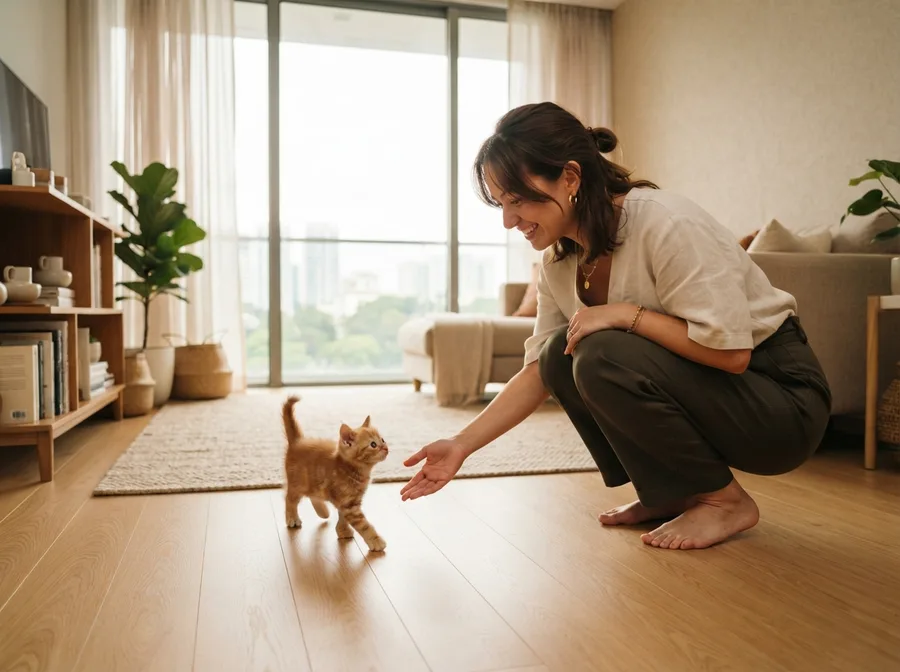
Meeting a kitten at a viewing appointment

How long you will actually wait

No competing availability page in Singapore publishes waiting times at all. We will not publish a number of weeks either, because we do not hold a waiting-time dataset and inventing one would be worse than saying nothing. What we can set out is the mechanism — what decides the wait for each breed, and the single concession that shortens it most.

What sets the waitBiggest time-saver
British ShorthairColour. Blue is bred in volume; anything else joins a litter listTake blue, stay open on gender
MunchkinOnly some of each litter inherit the short legsConsider a standard-legged kitten from the same litter
RagdollPattern genetics — a litter yields few kittens matching one requestChoose temperament over pattern
Maine CoonFew catteries breed them at all; litters are committed earlyDrop the colour requirement, accept a later litter
BengalPattern quality, and generational distance from the wild ancestorStay open on pattern; prioritise a cattery that discusses generation
SiberianSmall regional breeding base — most trace to overseas linesRegister interest, or look at Maine Coons in parallel
PersianNothing much — supply is broad; quality varies insteadSpend the time on assessing the face, not on waiting
SiameseDeciding between modern show type and traditionalSettle the type question before you enquire
SphynxVery few litters, and breeders screen buyers firstRegister interest early and be flexible on skin pigment
Russian BlueOnly which litter is next — there is no colour queueBe open on gender
Scottish FoldDemand concentrates on the folded kittens, not the litterTake a straight-eared kitten — healthier, and sooner
American ShorthairAlmost nobody breeds them here; it is a specific-cattery waitDecide whether you want the pedigree or the look
Norwegian Forest CatEssentially all imported — a genuine special orderLook at the Siberian and Maine Coon instead
British LonghairThe smaller half of a British Shorthair litterAsk British Shorthair catteries for longhaired kittens
Exotic ShorthairNothing much — they come out of Persian programmesApproach Persian breeders directly
SingapuraBarely bred locally despite the nameAsk rescues too, or consider a community cat

Read down the right-hand column first. Flexibility is worth more than patience in this market: a buyer who will take either gender and the volume colour is routinely offered a kitten while a buyer holding out for a lilac female is still waiting. That is not a sales tactic — it is arithmetic about how many kittens of each description a litter actually produces.

Why most pedigree kittens here are imported

Singapore has very few catteries breeding at any scale. Space is the obvious constraint — a breeding programme needs room that flats do not have — and the economics of a small market do the rest. The consequence is that for most of the breeds on this page, a meaningful share of what you are offered descends from overseas lines rather than from cats born here. The British Shorthair is the clearest exception, which is exactly why it is the fastest breed to find.

Import sets the clock in three ways. Kittens cannot travel at any age, so the go-home date is bounded by transport rules as well as by weaning. Permits and health documentation take time. And a cattery importing a line usually does so in planned batches rather than continuously, so availability arrives in steps rather than as a flow.

It also changes the questions you should ask. "Can I meet the mother?" is the standard advice, and it is good advice — but it is unanswerable if the mother is in another country. In that case ask instead: which cattery did the line come from, when did the kitten travel and at what age, what health screening accompanied it, and can you see documentation rather than a description. A seller who cannot answer those about an imported kitten is a seller who did not ask them either. Our page on AVS import rules territory is covered in more depth in importing a pedigree kitten.

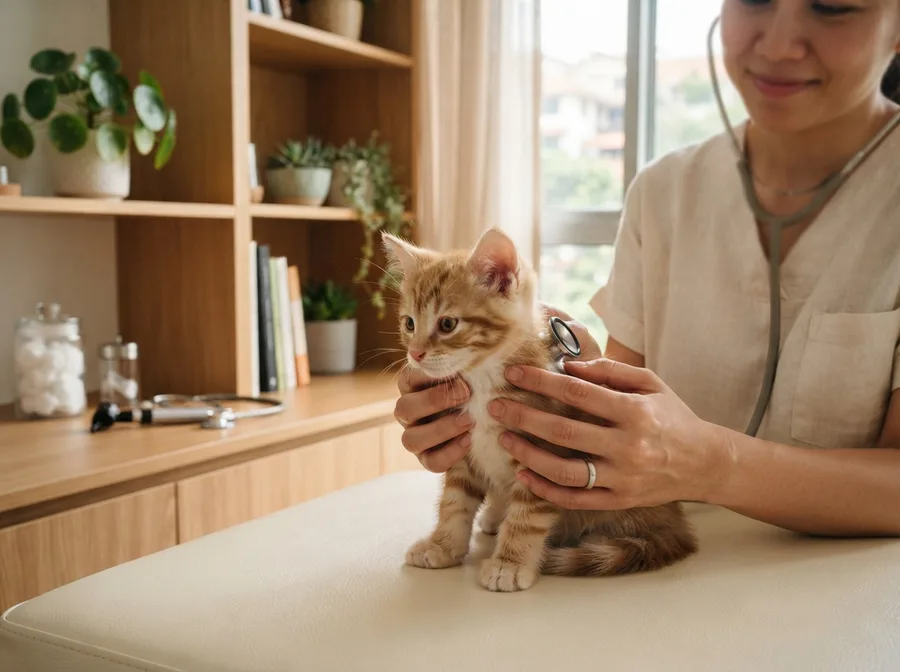
A kitten receiving a health check before going home

Why a listing disappears

The most common frustration on any availability page, and the one nobody explains.

You saw a kitten on a cattery's page on Tuesday and by Friday it is gone. That is normally good news rather than bad, and it is worth knowing which of the four reasons applies before you conclude you were too slow.

The useful response is not to move faster on the next one. It is to get onto a list, describe what you want precisely, and let a cattery come to you when a litter matches — which is also how you avoid making a fifteen-year decision in an afternoon because something might be gone by tomorrow.

Checklist

  • Matched to another home. The ordinary reason, and the one that means the cattery has a queue — a good sign, not a bad one.
  • Held back on veterinary advice. A kitten that needs another two weeks before it travels or goes home. A cattery that does this is one you want.
  • Kept by the cattery. Breeders retain kittens for their own programme, sometimes deciding late.
  • The page was never current. Some listings sit up long after the kitten went, which is its own signal about the seller.

What happens after you tell us what you want

Phase 1, stated plainly: we are an independent guide with no cattery partner and no listings. Nothing here costs anything and nothing obliges you.

  1. 1You describe the kittenBreed, colour, gender, and roughly when you would like it home. Tell us which of those are firm and which are preferences — that distinction is what makes a search tractable.
  2. 2We search licensed sourcesOnly AVS-licensed sellers may legally sell pets in Singapore, so those are the only sellers we approach. We also tell you when the honest answer is a shelter rather than a cattery.
  3. 3We come back with what existsIncluding when the answer is "nothing matching this month, and here is why". A straight answer on availability is the whole product at this stage.
  4. 4You arrange the viewing yourselfWe do not take payments, hold deposits or stand between you and the seller. You meet the kitten, you check the records, you decide.

If that sounds less convenient than a shop, it is — and it is also the only honest version of this page while we have no licensed partner. When one attaches, this page gains their real listings and their real licence number, and we will name them.

Meeting a kitten at a viewing appointment

What to check before you travel to a viewing

Ten minutes of messaging before you spend an hour crossing the island.

Every one of these is answerable in advance, and a seller's willingness to answer is itself most of the information. The pattern to watch for is friction in the wrong direction: a careful cattery makes you answer questions, and an evasive seller makes you stop asking them.

The full question list, including what to look at once you are in the room, is in how to tell a careful cattery from a quick one.

Checklist

  • Which AVS licence do they hold, and in what name and address is it issued?
  • Does the licensed address match the place you are being asked to visit?
  • Can you see where the kittens actually live, rather than a viewing room?
  • Will the mother be there — and if the line was imported, why not?
  • What screening was done on the parents, named condition by named condition?
  • What is the go-home date, and what decides it?
  • Never pay anything, including a deposit, before you have seen the kitten in person.

What should come with the kitten

An incomplete handover is not paperwork you sort out later. It is information about the seller.

The microchip number is the one to insist on, because the licence is tied to it — no number, no licence application. Ask the seller to scan the chip in front of you and read the number off the reader rather than off a form. Vaccination detail matters for the same practical reason: your own vet needs to know what was given and when in order to schedule the rest. See kitten vaccinations in Singapore and microchipping and registration.

Key numbers

Microchip number
In writing, and it should scan
Vaccination card
Dates and product names
Deworming record
Dates and product
Parent screening
Named tests, named results
Pedigree papers
Where a pedigree is claimed
Go-home age
Nine to twelve weeks for most breeds

What you must do once it is home

Four things, in this order, whichever route the kitten came from.

  1. 1Book your own vetWithin the first few days. It establishes a health baseline while anything found is still a conversation you can have with the seller.
  2. 2Transfer the microchip registrationThe chip is registered to whoever registered it. Until that moves to you, a found cat comes back to someone else.
  3. 3Apply for the licence on PALSFree until 31 August 2026, and required once the cat reaches three months of age. Apply at pals.avs.gov.sg; first-time applicants also do a free one-time Pet Ownership Course. See licensing a cat, step by step.
  4. 4Check the flat is legal and safeTwo cats per HDB flat, and mesh on every openable window before the cat arrives rather than after. See living with a cat in a flat, legally and the first fortnight at home.
A kitten receiving a health check before going home

About prices

We publish no prices on this page, for the simple reason that we hold no kittens. A price is a property of a specific animal from a specific seller, and quoting a range as though it were ours would be inventing a number.

What we can do is name what other people have published. One Singapore cattery, Cats & Co, states on its own site that its kittens are "priced from $7800 onwards" (captured 26 July 2026). Owners on r/askSingapore describe roughly S$6,000–7,000 for a Ragdoll from an established seller — user-reported, and worth treating as such. On the adoption side, Kitten Sanctuary publishes S$80 for kittens and S$150 for pedigree kittens, and a January 2026 round-up in Sassy Mama put shelter fees generally between S$25 and S$200.

Those figures do not average into a market rate and we will not pretend they do. The spread between them is the actual finding. Every figure we could attribute, with its source and capture date, is on the price picture, attributed.

One thing price does not tell you: whether the parents were screened. A high price is not evidence of health testing, and a low one is not proof of its absence — the only evidence is a named test with a named result, which is why that question sits on every checklist on this site.

If you would rather adopt

Worth saying on a page about buying: in Singapore, adoption search demand runs several times ahead of purchase demand, and the cats are there. Shelters, welfare groups, independent fosterers and private rehomers move kittens and adult cats continuously, usually already vaccinated, sterilised and microchipped, for a fee in the tens to low hundreds rather than the thousands.

What adoption will not reliably give you is a specific breed. Pedigrees do turn up — retired breeding cats, cats left behind when owners emigrate — but you cannot plan around it. If a particular breed is genuinely the requirement, a licensed cattery is the honest route, and this page is about making that route go well.

If it is not the requirement, start with where the adoptable cats are or with the two routes weighed against each other. We would rather you adopted than bought badly.

Meeting a kitten at a viewing appointment

Your kitten search

Tell us the kitten you want

Breed, colour, gender, timing — and which of those are firm. We search licensed sources and come back with a straight answer on what is findable, including when the honest answer is to adopt instead.

  1. 1You tell us what you wantBreed, colour, gender, timing, budget — as specific or as open as you like.
  2. 2We go and lookWe search Singapore breeders and catteries for kittens that actually match your brief.
  3. 3You meet the kittenWe come back with what we found and arrange a viewing at a time that suits you.

Free, and there is no obligation to buy anything. We use your details only to search for your kitten and to reply to you.

Questions about kitten availability

Are these kittens available right now?

There are no kittens on this page. Kitten.sg holds no animals and publishes no stock list — we have no licensed cattery partner yet, and we will not imply otherwise. What this page gives you is what sets the wait for each breed and what to verify before you view.

Where can I buy a kitten in Singapore?

From an AVS-licensed seller — only licensed sellers may legally sell pets here. Ask which licence they hold and in what name and address it is issued, check that address against the premises you visit, and never pay a deposit before you have seen the kitten.

Which kitten breeds are easiest to find in Singapore?

The British Shorthair, because it is the only breed on this page with a meaningful number of locally bred litters, and blue is the volume colour. Ragdolls and Persians are usually obtainable too. Sphynx, Norwegian Forest Cats, Singapuras and American Shorthairs are genuine special orders.

How long is the wait for a Munchkin kitten?

It depends on the legs. Standard-legged Munchkins are usually obtainable; the short-legged kittens people are searching for are a minority of any litter and are frequently committed before a litter is announced. We do not publish week counts because we have no waiting-time data to publish.

What is a go-home date?

The date a kitten is old enough to leave its mother and littermates — nine to twelve weeks for most breeds, later for some. It is set by the kitten’s development, not by when a buyer wants it, and a seller who moves it forward on request is cutting a corner.

Do I need to license a kitten I have just bought?

Yes. Every pet cat in Singapore must be microchipped and licensed under the Cat Management Framework once it reaches three months of age. Licensing is free until 31 August 2026 and is applied for through PALS at pals.avs.gov.sg.

Can I keep two kittens in an HDB flat?

Two cats per flat is the cap under the framework — per flat, not per person — and private premises are allowed three cats and/or dogs in total. Two is often easier than one for a household that is out all day. Confirm the current figure with AVS before planning a pair.

What if the breed I want is not on this page?

Tell us anyway. The list here is where the search demand is, not a limit on what we will look for, and we will tell you honestly if a breed is hard to find in Singapore rather than quietly leaving you on a list.

Your kitten search

Can’t see the breed you want?

The list above is where the search demand is, not a limit on what we will look for. Tell us the breed and we will tell you honestly how findable it is in Singapore.

Tell us what you want

Deciding between routes?

Buying and adopting compared on cost, certainty and waiting time.

Adopting versus buying
how people actually get a kitten here
Tell us the kitten you want