How long you will wait for a Sphynx kitten
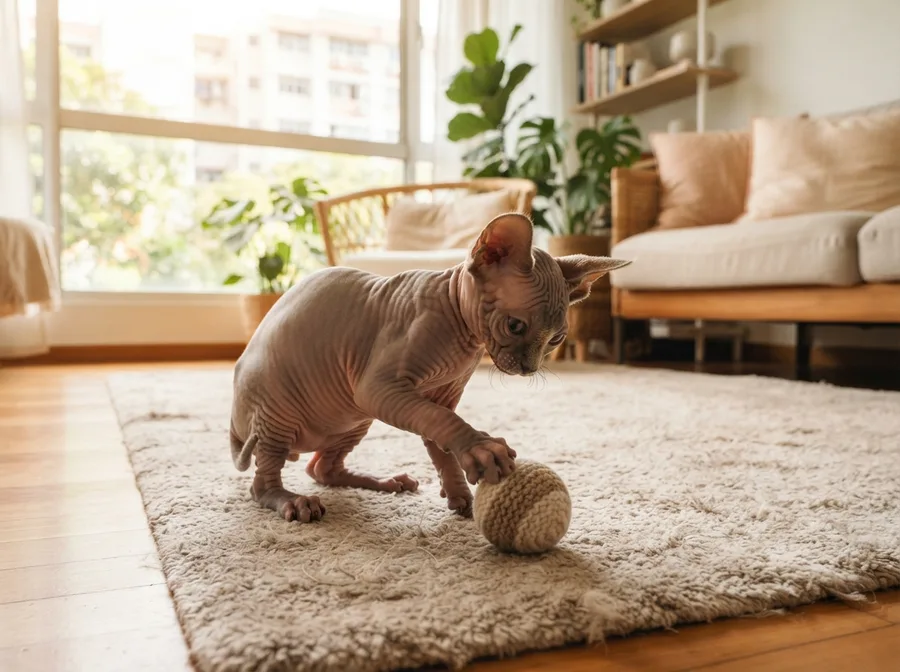
A specialist search. Few catteries in the region breed Sphynx, litters are small and irregular, and a serious Sphynx breeder screens buyers carefully before offering a kitten — so the realistic route is registering an interest and waiting for a litter rather than finding one now.
Supply is genuinely thin rather than artificially rationed. The breed is uncommon here, and a meaningful proportion of Singapore Sphynx trace to overseas catteries, which adds import lead time and paperwork to an already narrow pipeline.
The biggest time-saver: Be open on colour and pattern — which on a hairless cat means skin pigment, and matters far less than it does in a coated breed. Genuine flexibility is what gets you onto a shorter list.
Nothing above is an offer: we hold no Sphynx kittens and publish no stock list. For the same picture across every breed, see the breeds people ask us for.
What a Sphynx kitten is actually like
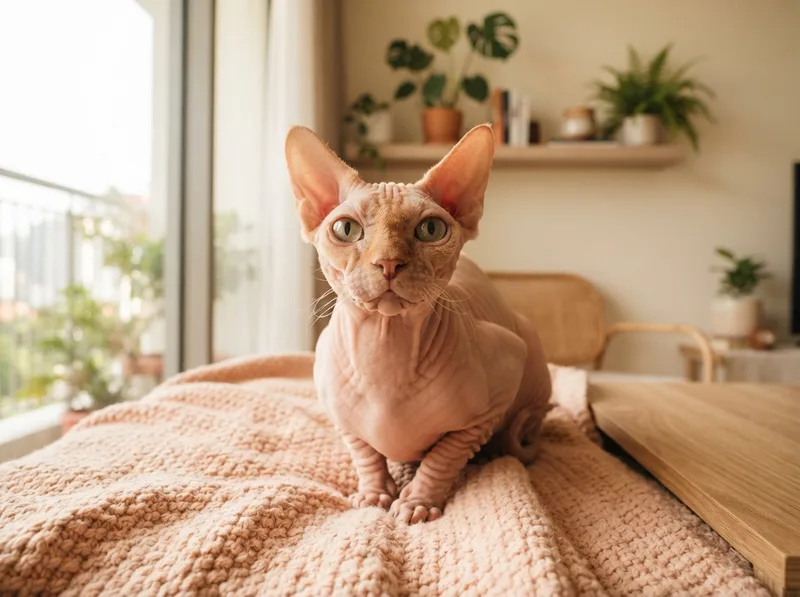
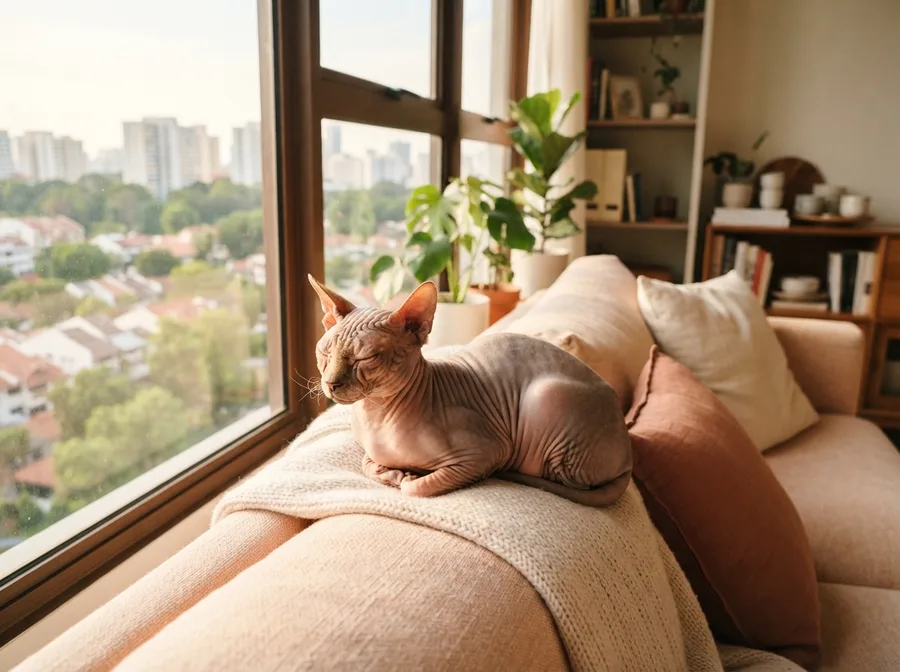
A Sphynx kitten is wrinkled, warm to the touch and often carries a fine down that recedes as it grows; how much bare skin the adult shows varies between kittens in the same litter. They are more fragile in early life than coated kittens, chill easily, and are usually kept longer by the breeder for exactly that reason — a Sphynx going home before twelve weeks is unusual and worth questioning. Two things deserve a close look. Skin should be clean and supple rather than greasy, flaky or spotty. Ears will be waxy, because there is no hair to keep debris out, and a kitten presented with clean ears has an owner who is already doing the routine.
Those three are Sphynx-specific. For the checks that apply to any cattery, see checking a cattery before you visit.
Checklist
- A kitten offered at eight or nine weeks. Sphynx kittens are ordinarily held longer, and an early release is a commercial decision rather than a veterinary one.
- Greasy, flaky or spotty skin, or ears packed with wax at a viewing. It tells you what the daily routine has actually been.
- “Hypoallergenic” as a selling claim. It is not true of any cat, and a breeder who says it is either misinformed or willing to be.
Grooming and daily life with a Sphynx in Singapore
No brushing, and considerably more work than a coated cat. Skin oil that a normal coat would wick away sits on the surface instead, so a Sphynx needs regular bathing — commonly weekly — with a mild feline shampoo, plus wiping between baths for the skin folds and the base of the tail. Ears need cleaning regularly for the same reason, and nails more often, since the surrounding skin gets oily. Singapore’s climate helps in one way: a hairless cat is far more comfortable in this heat than a Maine Coon. It hurts in another — warmth and humidity favour skin yeast and feline acne, so a lapsed routine shows on the cat within days.
Extremely people-focused, extremely active, and physically dependent on its environment in ways coated cats are not. A Sphynx seeks heat: laps, beds, under blankets, on top of you. In a heavily air-conditioned Singapore flat that means providing genuine warm spots and accepting that this cat sleeps in your bed. Sunlight is the mirror problem — unpigmented skin burns, so a window perch in direct sun needs shade. They are inquisitive, dexterous, vocal enough to notice and poor at being left alone, so a companion cat is a reasonable idea. Allergy sufferers should note the honest position: no coat does not mean no allergens, because the allergen is in saliva and skin.
What a Sphynx costs to keep
Higher than average, in unusual categories. Consumables are real: shampoo, wipes, ear cleaner, bedding that gets washed constantly, and laundry, because skin oil transfers to fabric. Food intake runs above what the cat’s size suggests, since maintaining body temperature without a coat costs calories. Veterinary costs cluster around skin and heart: dermatological problems are the routine ones, and hypertrophic cardiomyopathy is well documented in the breed, which makes cardiac screening of the parents important at purchase and periodic scanning a sensible standing expense. Insurance, again, is worth reading for hereditary exclusions before you buy.
For Sphynx figures set against other breeds, with every source named and dated, see the price evidence we could verify; for the month-by-month picture, what keeping a cat costs.
Also worth reading: the Bengal
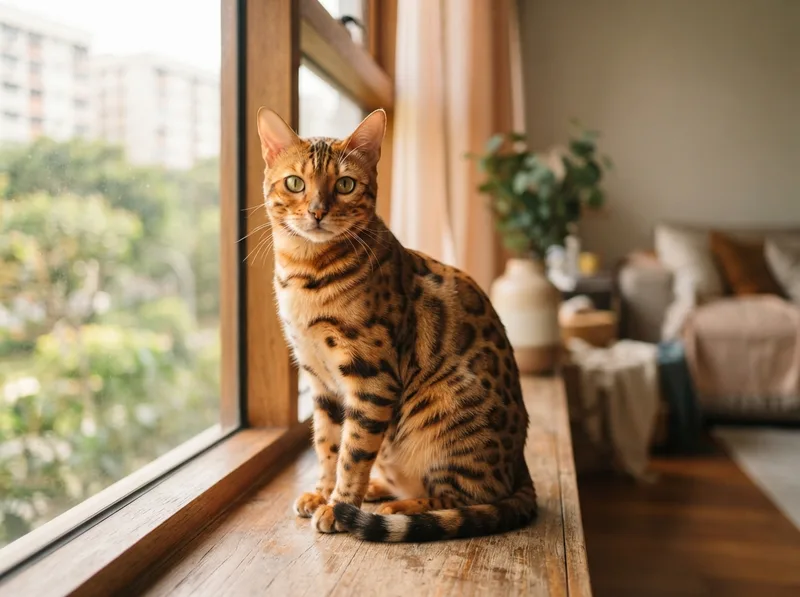
The Bengal is an odd-looking comparison until you notice what these two share: a demanding, interactive cat that will not be background furniture. Buyers who want that engagement but cannot commit to weekly bathing and skin management usually land on the Bengal instead — with the reminder that a Bengal needs the enrichment a Sphynx does not.