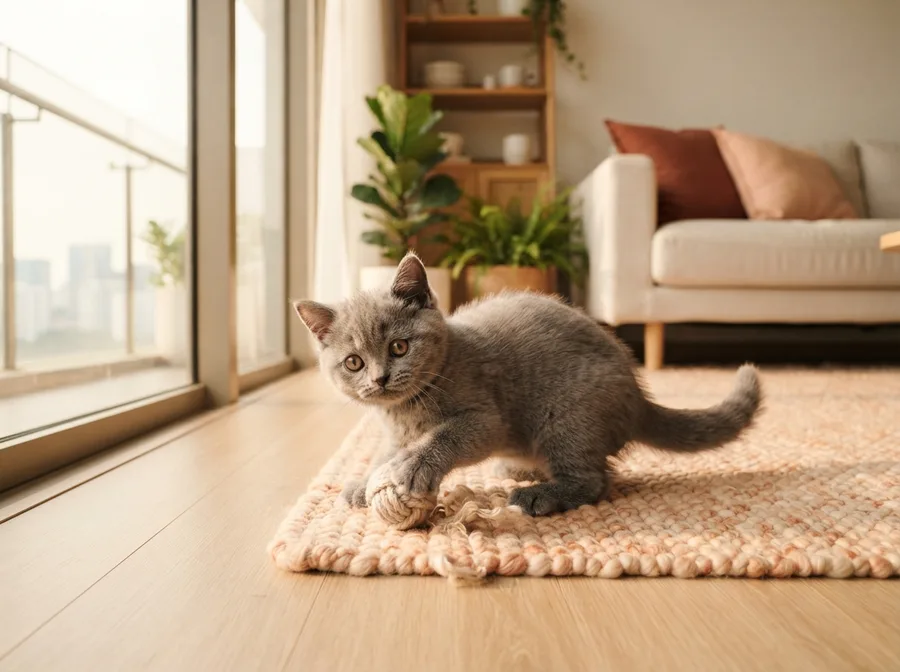
How long you will wait for a British Shorthair kitten
The most-requested pedigree kitten in Singapore and the one most consistently offered, so a British Shorthair kitten is usually the shortest search of any breed on this site — provided you will take the volume colour. Blue is that colour. Lilac, chocolate, cinnamon, golden and the colourpoint variants move you onto a planned-litter list instead of a current one, because far fewer are bred.
Demand here is high enough that several Singapore catteries keep British Shorthair queens of their own, so a meaningful share of the kittens offered were born locally rather than imported. That is unusual: for most breeds it runs the other way, and it is the main reason this breed moves faster than the rest.
The biggest time-saver: Say yes to blue, and stay open on gender. Between them those two concessions do more to shorten a British Shorthair search than anything else you can offer.
Nothing above is an offer: we hold no British Shorthair kittens and publish no stock list. For the same picture across every breed, see kitten breeds and realistic waiting times.
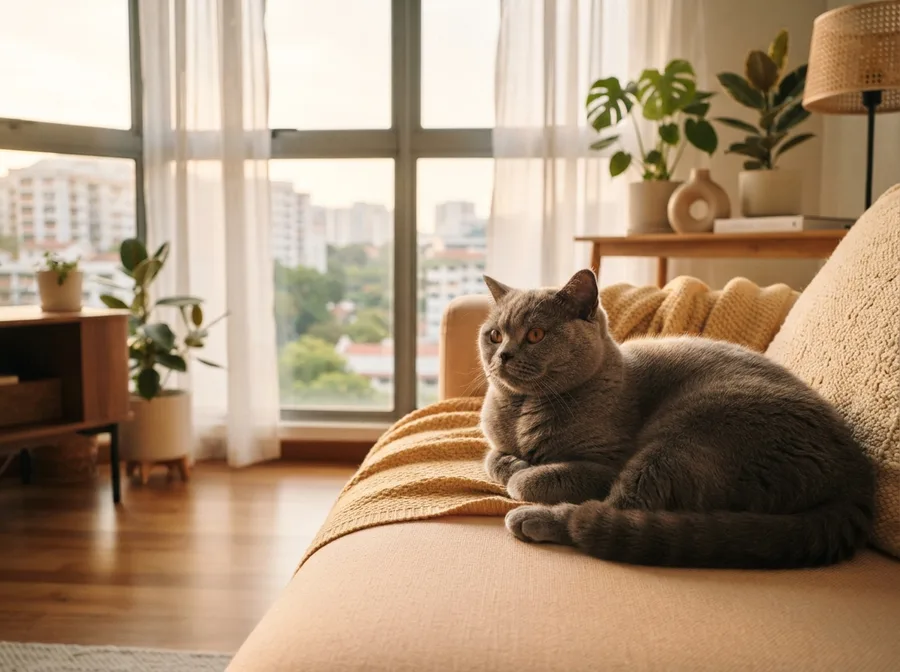
What a British Shorthair kitten is actually like
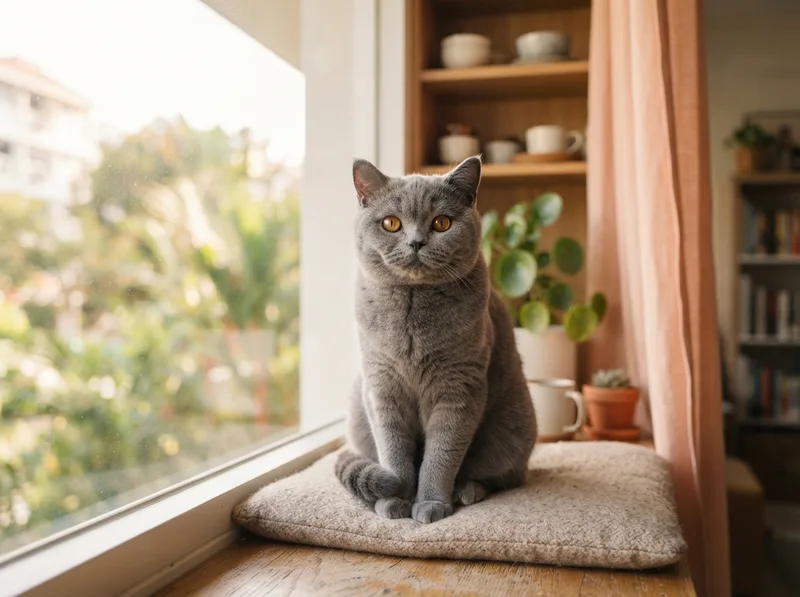
A British Shorthair kitten does not look like the cat in the photographs you fell for, and that is normal. The famous plush density arrives with the adult coat, so an eight-week kitten feels comparatively soft and flat. Eye colour is the other slow change: the copper that breeders select for deepens over the first several months from the blue-grey every kitten starts with. Physically the breed is a slow finisher — it fills out across roughly the first three years, and the heavy cheeks and broad chest people associate with it belong to a mature cat rather than a six-month-old. Expect a kitten to go home at ten to twelve weeks; earlier than that is a corner being cut.
Those three are British Shorthair-specific. For the checks that apply to any cattery, see how to judge a cattery.
Checklist
- A grey domestic shorthair with a round face sold as a British Shorthair — the breed’s coat is crisp and stands away from the body when you run a hand against it, and a mixed grey cat’s does not.
- “British Shorthair mix” at a price that undercuts the market. That is a description of a moggie, and the price is the tell.
- A rare colour — golden, cinnamon, colourpoint — offered immediately and at the price of a blue. Rarity that costs nothing is not rarity.
Grooming and daily life with a British Shorthair in Singapore
A weekly comb, and that is genuinely it for most of the year. The coat is short but very dense, which means a slicker brush tends to skate over the top of it — a metal comb that reaches the skin does more in two minutes than a brush does in ten. The Singapore variable is shedding: cats living in constant warmth and artificial light tend to shed steadily all year rather than in two clean seasonal moults, so expect a low continuous background level of hair rather than a fortnight of chaos twice a year. Twice-weekly combing through the heavier stretches keeps it off the sofa and out of the cat.
This is the breed that suits a full working day better than almost any other. British Shorthairs are affectionate on their own terms, tolerate solitude well, rarely vocalise, and are not climbers or counter-raiders by disposition — all of which matters in a flat with shared walls. The trade-off is that they are undemanding to the point of being sedentary. An indoor British Shorthair in an air-conditioned flat will happily do nothing at all for fifteen hours, which is how the breed earns its reputation for weight gain. Two short play sessions a day are not enrichment theatre here; they are the intervention that keeps the cat in shape.
What a British Shorthair costs to keep
The two ongoing costs that matter for this breed are food discipline and cardiac monitoring. Portion control is cheaper than the veterinary consequences of an overweight cat, so budget for measured feeding rather than free-feeding, and for regular weight checks. Because hypertrophic cardiomyopathy runs in some lines, an annual listen and, if your vet advises it, a periodic scan are reasonable to plan for — and worth checking against any insurance policy before you buy it, since cardiac conditions are a common exclusion. Grooming spend, by contrast, is near zero: this is not a breed that needs a groomer.
For British Shorthair figures set against other breeds, with every source named and dated, see how kitten prices work in Singapore; for the month-by-month picture, the cost of owning a cat.
Also worth reading: the Ragdoll
Ragdoll buyers and British Shorthair buyers are usually the same person deciding between two calm cats. The split is company: a Ragdoll wants to be in the room with you, and a British Shorthair is content that you exist somewhere in the flat. If the household is out all day, that difference decides it.