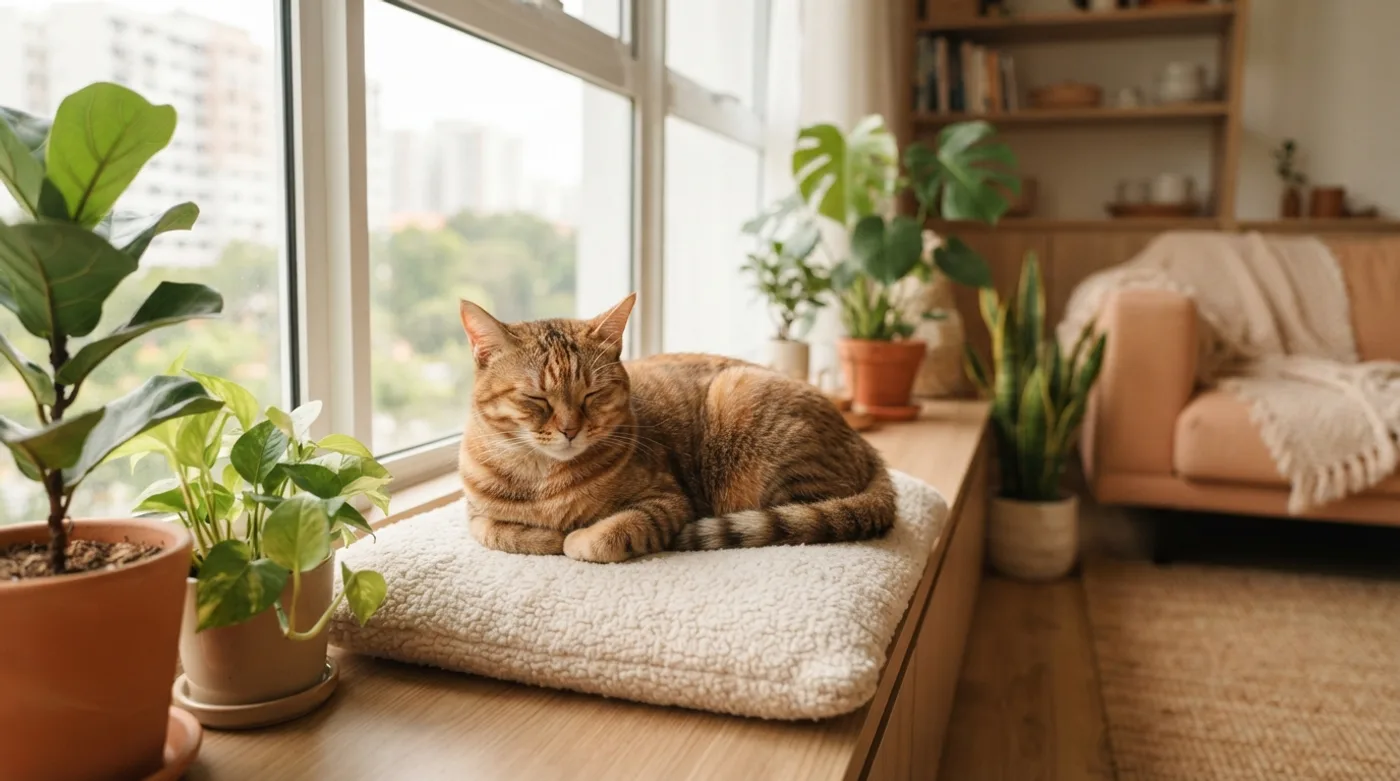
Two ways to get a kitten here — and what each really involves
Getting a kitten in Singapore means one of two regulated routes: buying from an AVS-licensed seller, or adopting through a shelter or a rescuer. Either way the cat must be microchipped and licensed under the Cat Management Framework, and an HDB flat is capped at two cats.
Kitten.sg is an independent cat and kitten guide for Singapore. We are not a cattery and we hold no animals. What we do is explain how the two routes actually work — the paperwork, the costs, the waiting, the questions that separate a careful breeder from a reseller — and then, if you want us to, go looking on your behalf. That is the whole offer.
Almost everyone reading this arrived by typing something like kitten for sale singapore into Google, so start with the honest framing: the phrase is a purchase term, but the larger part of this market is adoption. Search volumes in Singapore put the adoption cluster at several times the size of the sale cluster, and the results page for the sale term itself is a mix of cattery homepages, a 64,000-member adoption group and shelter listings. Google is telling you both routes are live. This page treats them that way.
The regulatory floor is identical whichever route you take. Only an AVS-licensed seller may legally sell a pet in Singapore. Every pet cat must be microchipped and then licensed once it reaches three months of age, and the licence is tied to the microchip number, not to the cat's name or your address. If you are buying, that means the microchip number has to change hands at collection. If you are adopting, it usually means the shelter has already done the chip and the first vaccination for you.
The differences are about certainty and waiting. A licensed cattery is where you go if you need a specific breed, a specific coat, or a kitten of a known age and lineage — and you will usually wait for a litter. Adoption is where you go if you want a cat sooner, at a fraction of the cost, and are open on breed. Neither is the virtuous choice; they answer different questions.
Two dates worth writing down
1 September 2024 — cats became legal in HDB flats and the Pet Cat Licensing Scheme opened, with licensing free during the transition. 31 August 2026 — that free window closes and fees begin. Both dates are AVS's, not ours: see AVS Cat Management Framework.
What this site is, and what it is not
Most pages that rank for a kitten search in Singapore are selling you a kitten. That is not a criticism — a cattery's website should sell its kittens — but it does mean nobody on that results page has any reason to tell you the awkward parts: that the licence badge on their footer is an image rather than evidence, that your flat is capped at two cats before you fall for a bonded trio, or that the same kitten is often findable through a rescuer for a hundredth of the price.
So here is our position, stated before you read another word. Kitten.sg is an independent guide and a buyer waitlist. We have no AVS licence because we sell nothing. We have no shop, no address and no phone number to publish. We have no reviews, because we have not yet done anything anyone could review. And we hold no kittens — there is no stock list on this site, and there will not be one until a genuinely licensed cattery partners with us and we can name them.
What we do have is sourcing discipline. Every regulatory claim on this site links to AVS or HDB rather than paraphrasing a forum post. Every health claim points at a Singapore veterinary source. Every price figure carries the name of whoever published it and the date we captured it. Where a number is contested — the exact wording of the two-cat cap is a good example — we say so instead of rounding it into a confident sentence.
The byline on every page is Kitten.sg Editorial, and it is organisational on purpose. There is no cat expert behind this site pretending to fifteen years of breeding experience. The credential here is the citation, and you are meant to click it.
Checklist
- An independent guide to buying and adopting — not a cattery
- No licence number, address or phone published, because none exists to publish
- No listings and no reviews until they are real and attributable
- Every rule sourced to AVS or HDB; every price sourced to whoever published it
- One CTA: a waitlist you can leave at any time, at no cost
The rules that apply before you choose any kitten
These are constraints on the decision, not paperwork to deal with afterwards, so they belong before the breed browsing. Cats have been permitted in HDB flats since 1 September 2024 under the Cat Management Framework — reversing a ban that had stood for roughly thirty-five years — and the permission comes attached to conditions.
The first is the cap: two cats per HDB flat. Per flat, not per person, and private premises are allowed three cats and/or dogs in total. It is the constraint people trip over most often, because a pair of kittens from the same litter is a genuinely good idea for a household that is out all day, and three is not an option.
The second is sequence. Microchip first, then licence, in that order, because the licence application asks for the chip number. First-time applicants also complete a free one-time online Pet Ownership Course. The application itself goes through PALS, the Pet Animal Licensing System, at pals.avs.gov.sg.
The third is the part nobody on a cattery homepage will mention: licensing is free right now, and it stops being free on 1 September 2026. If you are getting a cat this year, you are inside the free window. Full detail is in our guide to licensing a cat here and our walkthrough of the HDB rules for cat owners, and the primary source is HDB's announcement of the scheme.
The free licensing window closes on 31 August 2026
From 1 September 2026, AVS fees apply: a sterilised cat costs S$15 per year or S$35 one-time, and an unsterilised cat S$90 per year. It applies however you got the cat — bought, adopted or inherited from a flatmate. This is a statutory deadline, not a sales one, and it is the only genuine urgency on this page. Verify the current schedule at AVS.
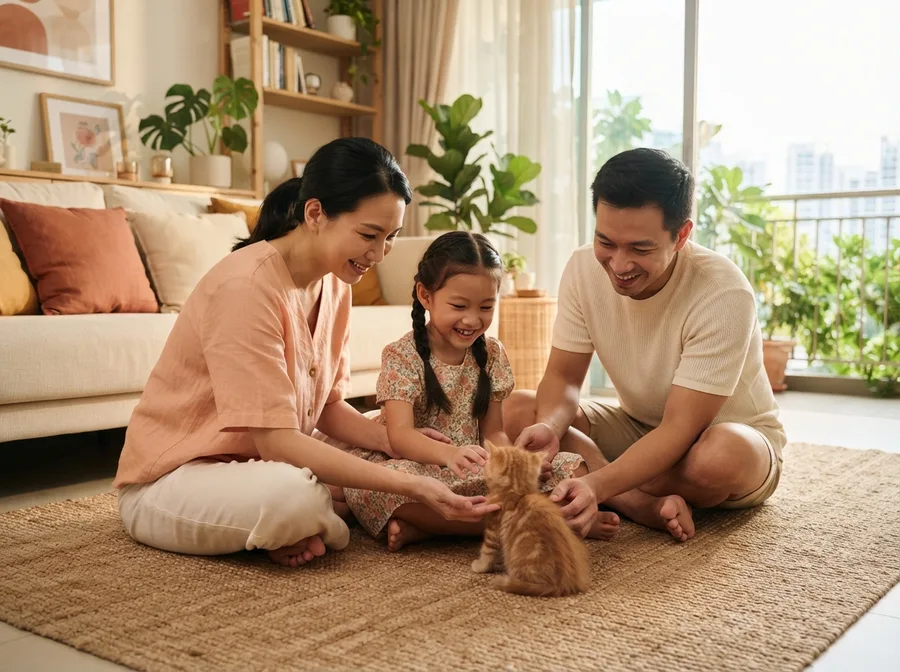
Buying from a licensed cattery, in the order it actually happens
Only AVS-licensed sellers may legally sell pets in Singapore. Everything below assumes you have established that the seller is one.
- 1Decide the breed against your flat, not your feedCoat length against this climate, noise against shared corridors, activity level against your floor area and how many hours the flat sits empty. A breed that is wrong for your day will be wrong for fifteen years.
- 2Ask what is coming, not what is hereA careful cattery breeds a few litters a year and knows what is planned. Waiting a couple of months for the right litter is normal. A seller who can produce any breed, any colour, this week is sourcing from somewhere they are not telling you about.
- 3Visit, and meet the motherYou are assessing the environment as much as the kitten: how the adults behave around people, whether the space is clean, whether the queen looks well. A seller who will only meet you at a car park or a mall has told you something.
- 4Read the records before you fall in loveVaccination card with dates and product names, deworming record, any screening done on the parents for breed-specific conditions, and the microchip number. Scan the chip in front of you if you can.
- 5Collect at nine to twelve weeksA kitten leaving its mother earlier than that is a kitten with a higher chance of gut and behaviour problems later. Book your own vet for the first few days after homecoming, not the first few weeks.
The pattern worth internalising is that legitimate breeders create friction and illegitimate ones remove it. Waiting lists, questions about your flat, a refusal to sell you a kitten as a surprise gift, a contract that asks you to return the cat rather than rehome it — those are all good signs. Same-day availability, a deposit over a messaging app, and a delivery to your lobby are not. Our guide to judging a cattery sets out the full question list.
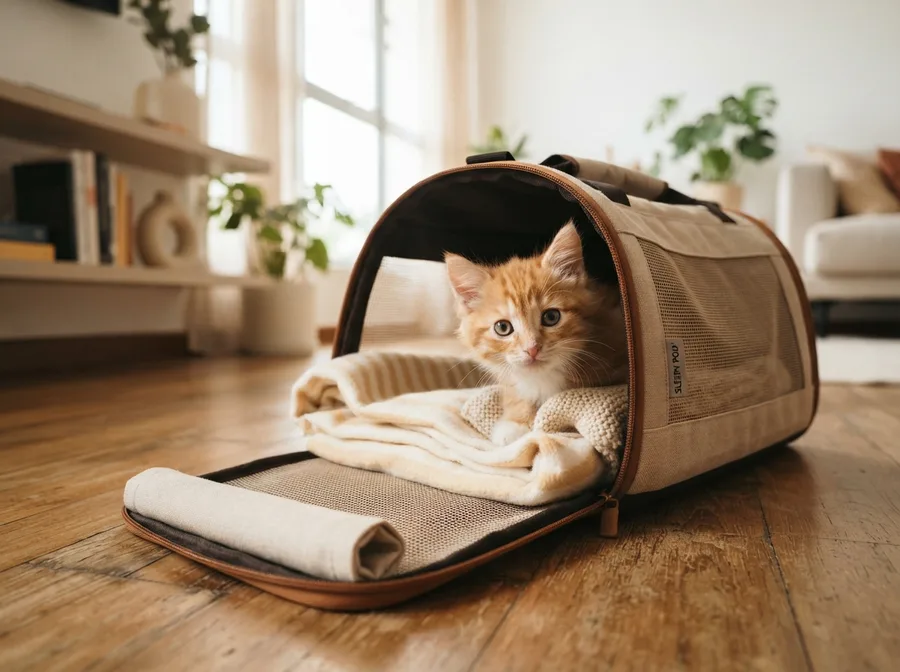
How to verify a seller’s licence yourself
Every cattery site on this search says it is licensed. None of them teaches you how to check, which is odd, because the check is the easy part.
A licence badge in a website footer is an image file. Anyone can make one. The claim only becomes evidence when you can tie a licence to a name and a premises, and when the premises you visit is the premises on the licence. That is the whole test, and it takes one message to run.
Ask directly: "Which AVS licence do you hold, and in what name and address is it issued?" A licensed seller answers this without friction, because it is a question they have been asked before and the answer is a matter of public record. Then check that the answer matches the place you are standing in when you view the kitten. A licence issued to one address does not cover kittens being handed over from another.
What the answer tells you matters less than how it arrives. Hesitation, a change of subject, an offer of a discount to move things along, or a photograph of a certificate with the number cropped out — those are answers too. Walk. There will be another litter, and the whole point of a waiting list is that it protects you from deciding under pressure. The requirements themselves are set out at AVS licensing requirements.
Checklist
- A badge image is not evidence — ask for the licence, the name and the address
- Check the licensed address against the place you actually view the kitten
- Marketplace and messaging-app listings: assume unlicensed until shown otherwise
- Cropped certificates, urgency and price drops are answers in themselves
- No visit, no meeting the mother, no sale — however good the photographs are
Adopting a kitten in Singapore
By search volume this is the bigger route, and by cost it is not close. If you are open on breed, read this before the breeder section.
Kitten adoption in Singapore runs through four overlapping channels. Registered welfare organisations such as SPCA Singapore rehome cats and kittens continuously. Community cat networks coordinated through Cat Welfare Society handle a large share of the rescue and sterilisation work on the ground. Independent rescuers and fosterers rehome litters they have raised themselves, usually through Facebook groups and Instagram. And private rehoming — someone emigrating, someone whose landlord said no — moves a steady stream of adult cats.
The adoption fee is not a price. It is a partial recovery of veterinary work already done, which is why it varies so much between organisations. Kitten Sanctuary publishes S$80 for kittens and S$150 for pedigree kittens on its adoption page. A January 2026 round-up in Sassy Mama put the general range at S$25 to S$200 and noted that it covers vaccinations and sterilisation. Adopters on r/askSingapore describe S$150–250 as typical for rescue groups. Figures captured 26 July 2026; check the current fee with the organisation itself.
Free kittens are real — a fosterer with a litter of five is not running a business — and they are not free to keep. The vaccinations, the deworming, the sterilisation, the microchip, the licence and fifteen years of food, litter and vet care are identical to any other cat. The acquisition is the one line in the budget that adoption changes.
Expect to be screened. Home visits, questions about your work hours, a request to mesh your windows before the cat arrives, sometimes a refusal. It reads as obstruction when you are the applicant; it is the fosterer having already taken back cats from people who did not think it through. Our guide to adopting a cat in Singapore lists who to approach and what they ask.
If you want a specific breed, adoption rarely delivers it
Pedigrees do surface in rescue — retired breeding cats get rehomed, and so do British Shorthairs and Persians whose owners left the country — but you cannot plan around it. Ask, register your interest, and treat it as a happy accident rather than a strategy. This is the gap the waitlist below is for.
Buy or adopt: which route suits you
Read down the column that matches what you actually need, rather than the one that sounds better.
| Licensed cattery | Adoption | |
|---|---|---|
| Best when | You need a specific breed, coat or age | You are open on breed and want a cat sooner |
| Cost of acquisition | Published figures start in the thousands | A fee in the tens to low hundreds |
| Waiting time | Weeks to months, tied to a planned litter | Often days, and kitten season brings floods |
| What you know upfront | Lineage, parents, screening, exact age | Temperament of an adult cat you can meet |
| Already done for you | First vaccinations, microchip, sometimes nothing else | Usually vaccinated, sterilised and chipped |
| Screening of you | Varies; the careful ones ask a lot | Expect a home visit and questions |
| The catch | Only licensed sellers may sell — you must verify | You do not get to choose the breed |
Four situations resolve cleanly. If you need a particular breed for a particular reason, a licensed cattery is the only route that reliably delivers it. If you want certainty about temperament, adopt an adult cat — a kitten's personality is a forecast, an adult's is a fact you can observe in twenty minutes. If your flat is empty through a full working day, take two rather than one, and check how many cats a flat can legally hold before you commit to a pair. And if this is your first cat, an adult from a fosterer who can tell you exactly how the cat behaves is the lowest-risk start there is.
We weigh both routes in more detail, including the cost arithmetic over a full lifetime, in adopting versus buying a kitten.
The breeds people actually look for here
Ranked by Singapore search demand. Every card is a guide to the breed — its temperament, its fit for a flat, its health watch-list and what drives its price — not a listing, and no animal on this site is presented as being for sale.
Which of them suit a Singapore flat is a different question from which of them are popular, and the honest answer turns on hours rather than looks. A cat that is alone from eight until seven wants either a companion or a job. Coat length matters more here than in a temperate country, because a heavy double coat in this humidity is a daily grooming commitment rather than a weekly one. Vocal breeds carry through a corridor of shared walls. And a high-drive breed in a three-room flat with no vertical space becomes a behaviour problem rather than a bad cat.
We rate every breed on flat living in which breeds suit an HDB flat, and the full set is in our directory of cat breeds people actually keep here. If you want the breed-by-breed picture of what is findable in Singapore and how long each one takes, that is in kitten breeds and realistic waiting times.
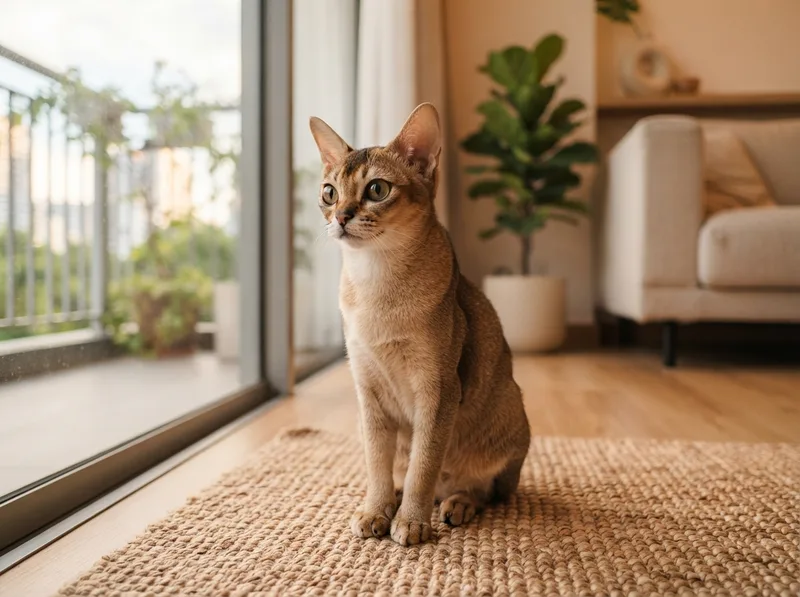 Excellent
Singapura
Owners drawn to a small, lively, historically significant cat who are patient about availability.
Rarely sold locally; indicative S$2,000–S$5,000 when available. Consider the heritage and adoption angle.
Read more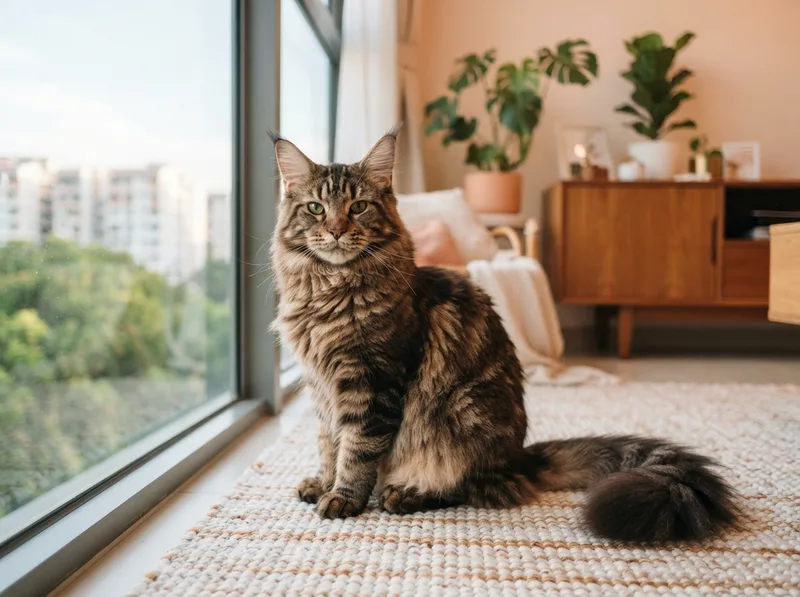 Good with space
Maine Coon
Owners wanting an affectionate, interactive, dog-like cat and willing to groom regularly.
Indicative S$2,500–S$6,000+
Read more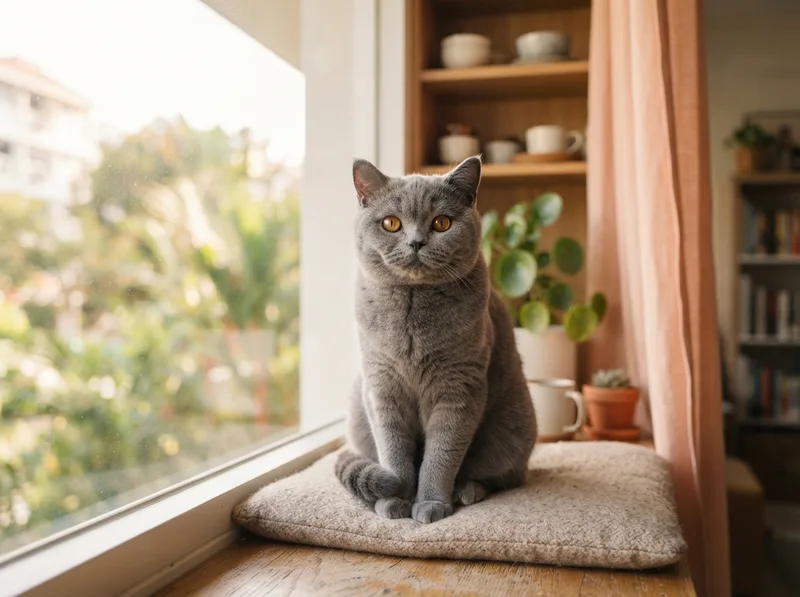 Excellent
British Shorthair
First-time owners, working households, and HDB flats wanting a calm, undemanding cat.
Indicative S$2,000–S$5,000
Read more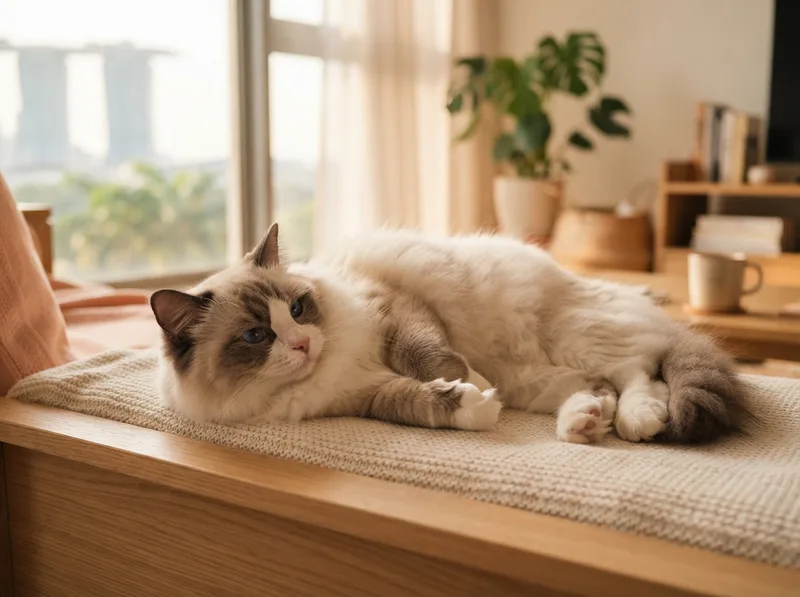 Excellent
Ragdoll
Families, first-time owners and anyone wanting a cuddly, low-drama lap cat for a flat.
Indicative S$2,500–S$6,000
Read more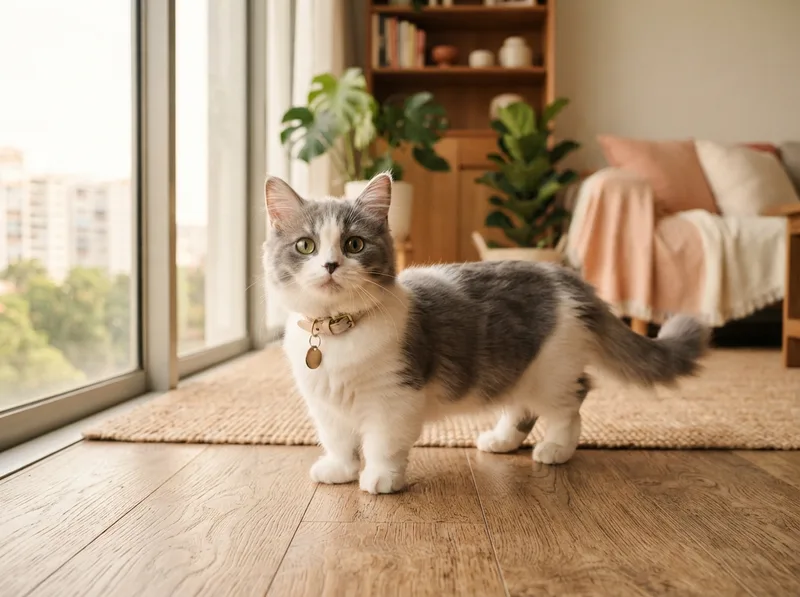 Very good
Munchkin
Owners in compact flats wanting a playful, sociable small cat, who will vet the breeder carefully.
Indicative S$2,000–S$4,500
Read more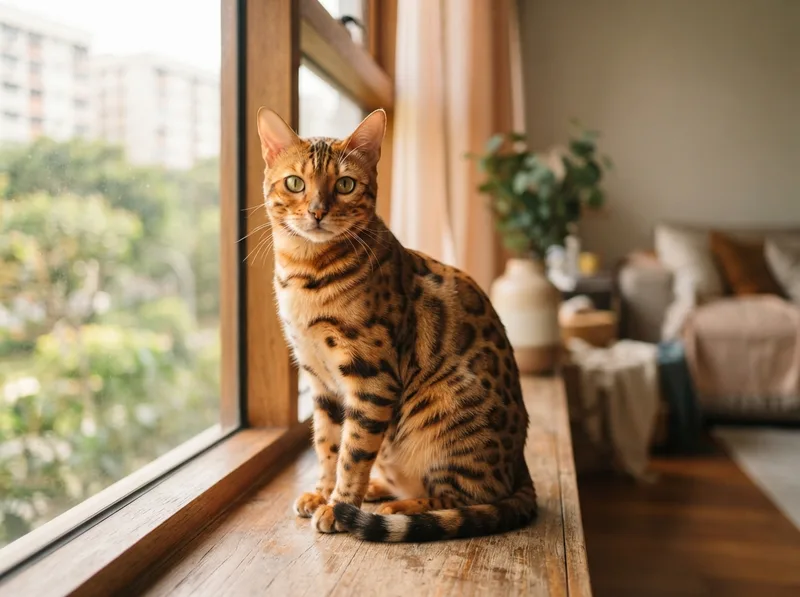 Needs enrichment
Bengal
Active owners who can provide vertical space, play and enrichment every day.
Indicative S$2,500–S$6,000
Read moreWhat a kitten costs in Singapore
Sourced market context, not an offer. We publish figures with the name of whoever published them and the date we captured them, because an unattributed price range is just a rumour with a currency symbol.
Read that table as a spread rather than an average. One boutique cattery publishing a floor of S$7,800 tells you what that cattery charges; it does not tell you the market rate, and merging it with owner-reported figures from a forum would produce a number that describes nothing real. What actually moves a kitten between bands is breed, colour and pattern rarity, whether the parents were screened for the conditions that breed is prone to, whether the line was imported, and how many litters that cattery produces a year. Our breakdown of how kitten prices work in Singapore goes through each of those with the evidence attached.
The purchase price is also the smallest layer of the cost. Setup is one-off and unavoidable: window mesh for the whole flat, litter trays, a carrier, scratching posts, something to climb. Monthly is food, litter and preventatives. Annually it is a check-up and boosters. And then there is the event nobody budgets for — the emergency visit at eleven at night, which in Singapore runs into hundreds before anyone has done anything. That is the number that decides whether cat ownership is comfortable, and it is laid out in the full cost of owning a cat.
Which is also the honest argument against shopping on price. A kitten priced conspicuously below everything around it is usually a kitten whose parents were not screened, and unscreened parents surface later as a heart condition, a joint problem or a kidney result at four years old. The saving reappears as a vet bill, generally with interest. That is arithmetic, not moralising.
Key numbers
- One cattery’s published floor
- From S$7,800 (Cats & Co, own site, 26 Jul 2026)
- Owner-reported, Ragdoll
- ≈S$6,000–7,000 (r/askSingapore, user-reported)
- Shelter adoption fee
- S$80 kitten / S$150 pedigree (Kitten Sanctuary)
- Adoption fee range
- S$25–200 (Sassy Mama, 5 Jan 2026)
- Licence to 31 Aug 2026
- Free
- Licence from 1 Sep 2026
- S$15/yr sterilised · S$90/yr not
Getting the flat ready before the kitten arrives
One item on this list is not optional in a high-rise, and it is the one people postpone.
Mesh every openable window before the cat is in the flat. Not after the first scare — before. Singapore vets see high-rise falls constantly, and the pattern is not careless owners: it is a cat that has ignored an open window for two years going through it the first time a bird lands on the ledge. Cats fall while distracted, which is precisely why a calm indoor cat is not exempt. The kitchen and bathroom openings count. So does the service yard, and any grille gap a cat can compress itself through.
The rest is about giving an indoor cat somewhere to be a cat, and height matters more than floor area. Three or four levels to move between makes a three-room flat work better than a bare five-room. Site litter trays away from food and away from the front door, one per cat plus one. Give scratching posts that allow a full stretch, or the sofa becomes the post. Sleeve the cables, and remove lilies entirely — they are lethal to cats, not merely unpleasant.
The room-by-room version is in cat-proofing an HDB flat, and the enrichment side — what to do with a cat in 70 square metres — is in keeping an indoor cat busy in a small flat.
Checklist
- Mesh on every window, plus kitchen, bathroom and service yard openings
- Balcony netting if there is a balcony at all
- One litter tray per cat plus one, away from food and away from the door
- Scratching posts tall enough for a full stretch
- Vertical space: a cat tree, a shelf run, or a cleared wardrobe top
- Lilies and other toxic plants out of the flat entirely
- Renting? Written landlord permission before you commit to a kitten
Your first week: vet, chip, licence
Whichever route you took, the first seven days look the same.
- 1Book the vet before collection dayA check within the first few days establishes a health baseline while you can still raise anything with the breeder or the fosterer. It also confirms the microchip actually scans.
- 2Settle the kitten in one roomOne room, with the tray, food, water and a hiding place, then expand. A kitten given a whole flat on day one spends three days behind the washing machine.
- 3Get the microchip number in writingYou cannot apply for the licence without it, and a verbal number is not a number. Then transfer the chip registration into your own name.
- 4Do the Pet Ownership Course if this is your firstFree, online, one-time. First-time applicants need it before the licence goes through.
- 5Apply on PALS while it is freeThe application takes minutes at pals.avs.gov.sg. Free until 31 August 2026, and the cat must be licensed once it reaches three months old.
Two things that catch people out. The chip registration and the licence are separate records — a chipped cat is not a licensed cat, and the licence is the part with the deadline. And a licence follows the cat's chip, so if you rehome or inherit a cat, the registration has to move too. Microchipping and registration covers the transfer, and bringing your kitten home covers the fortnight around it.
Worth knowing about origin, too, because it changes the questions you ask: a meaningful share of pedigree kittens sold here descend from imported lines rather than long-established local breeding, and importing a cat is separately regulated by AVS. If a cattery's kittens are locally bred, ask to meet both parents. If the line was imported, ask when, from where, and what health screening travelled with it.
What you should be handed at collection
The microchip number in writing. A vaccination card with dates and product names. Deworming record. Any screening results on the parents. And a straight answer on how to transfer the chip registration into your name. An incomplete handover is not a paperwork problem you sort out later — it is the seller telling you what kind of seller they are.
Worth reading before you commit
The six pages that answer most of what people ask us after they have decided they want a cat.
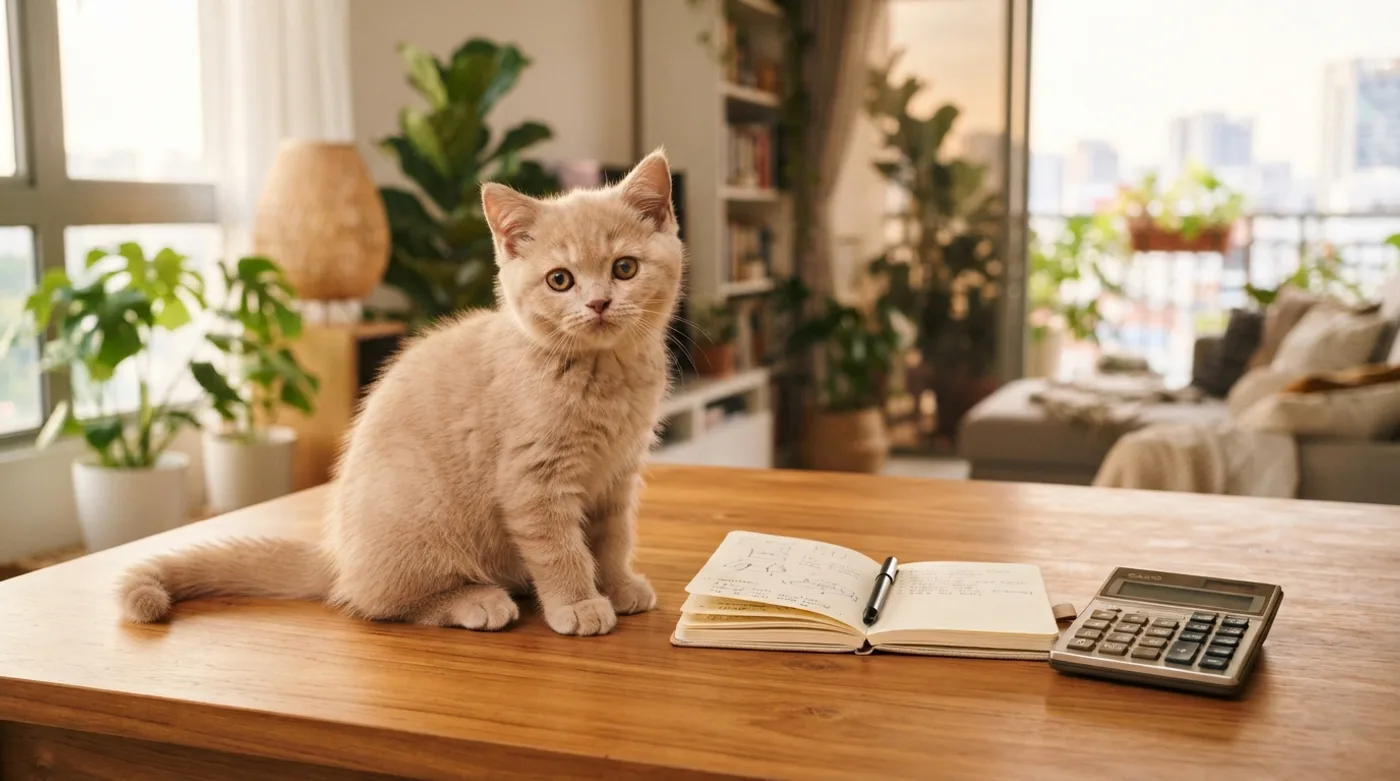
Kitten prices in Singapore
What published figures actually exist, who published them, and what moves a kitten up a band.
Read more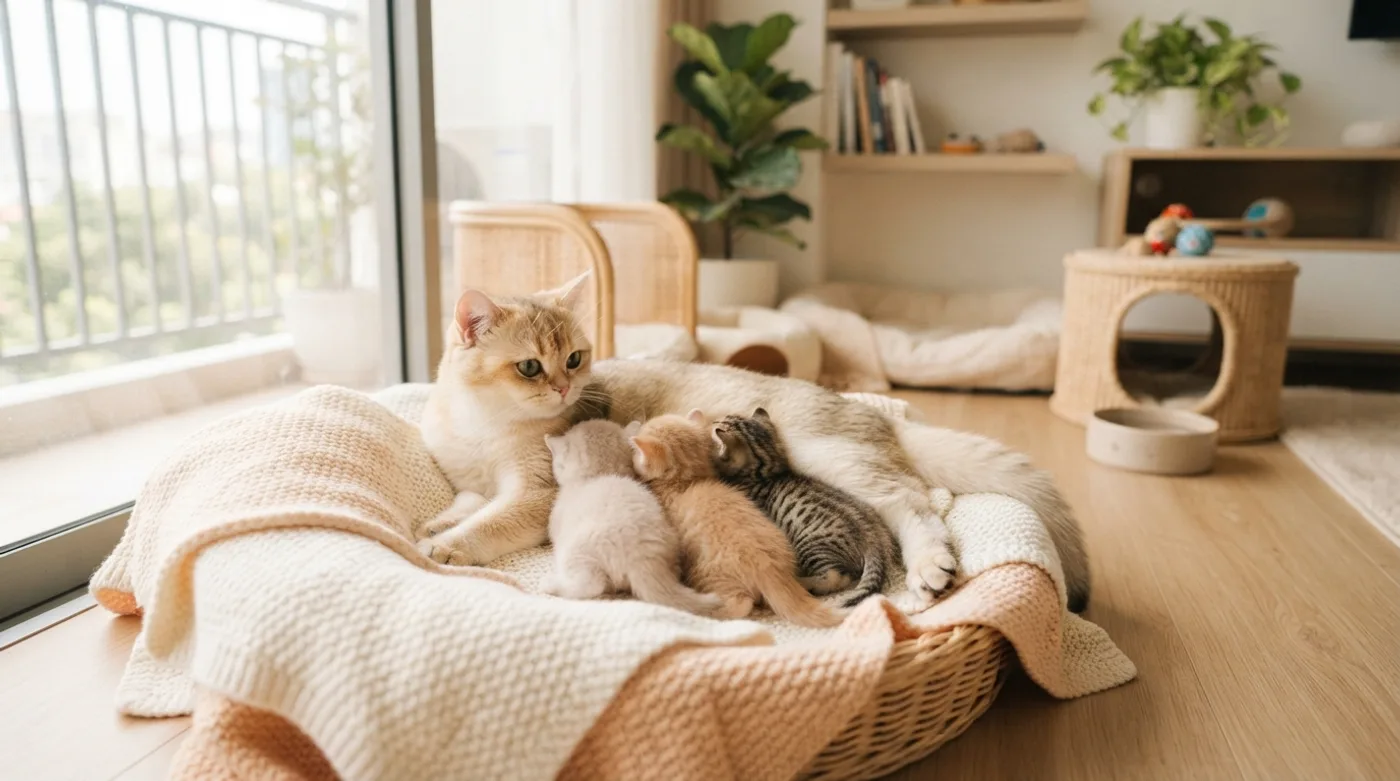
How to judge a cattery
What to ask, what to see, and which answers should end the conversation.
Read more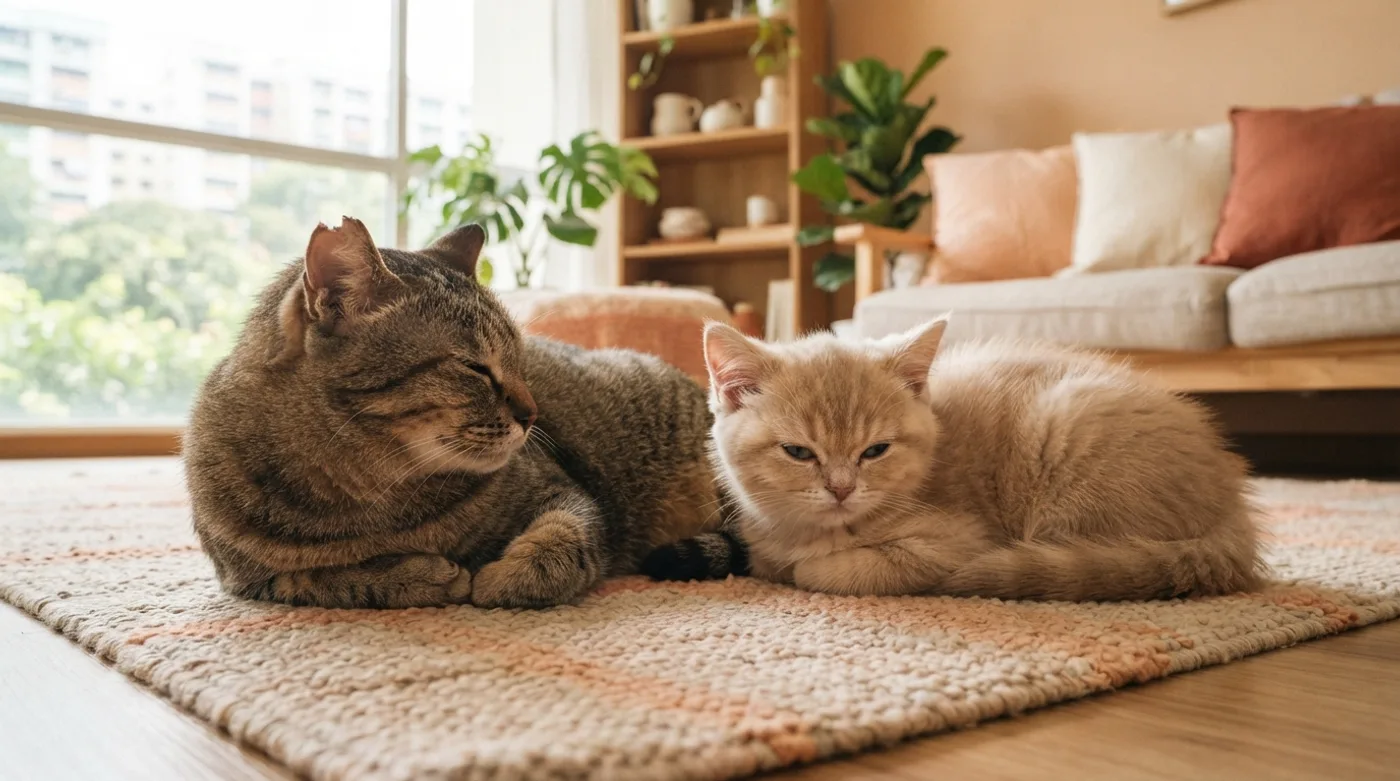
Adopting or buying
The two routes weighed side by side, on cost, certainty and waiting time.
Read more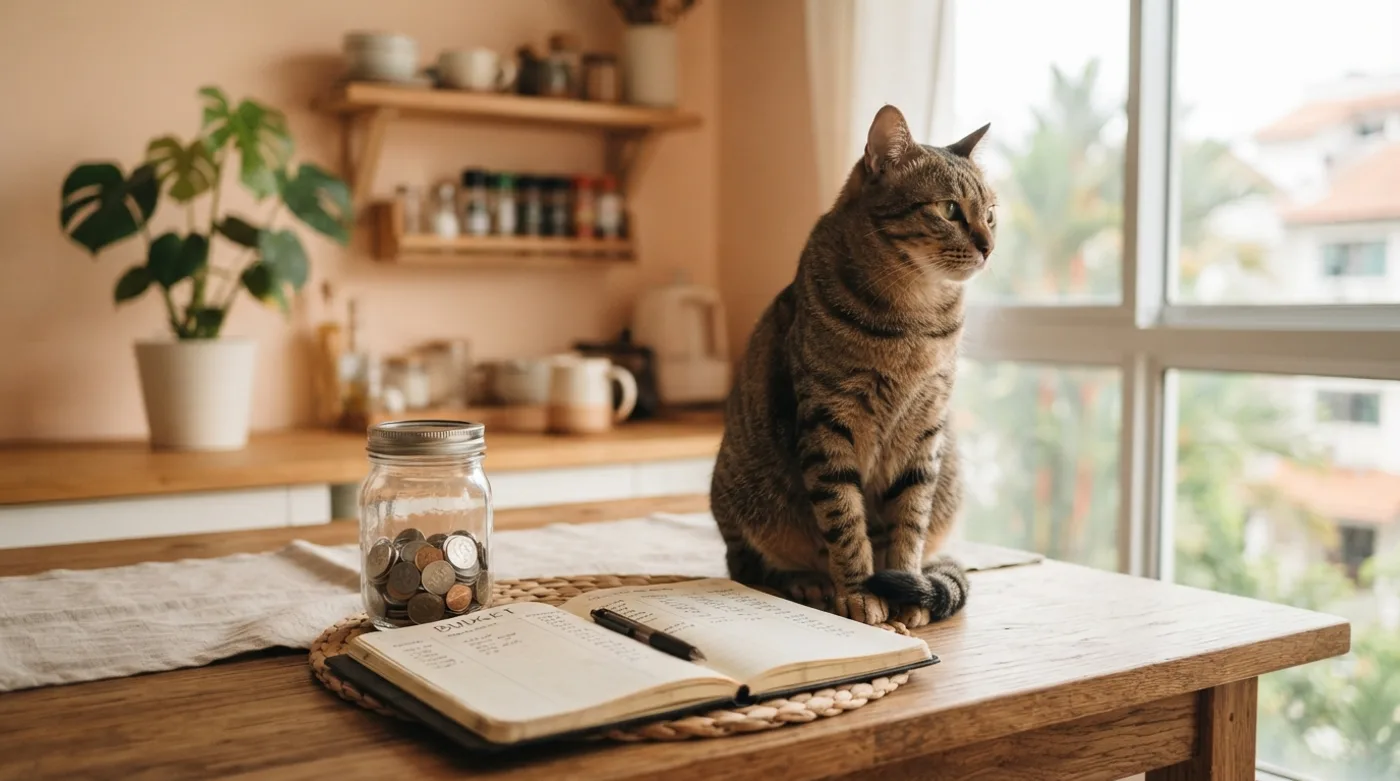
Cost of owning a cat
Setup, monthly, annual and the emergency visit — the budget after the kitten.
Read more
Best cat breeds for HDB
Which breeds genuinely suit flat living in this climate, and which do not.
Read more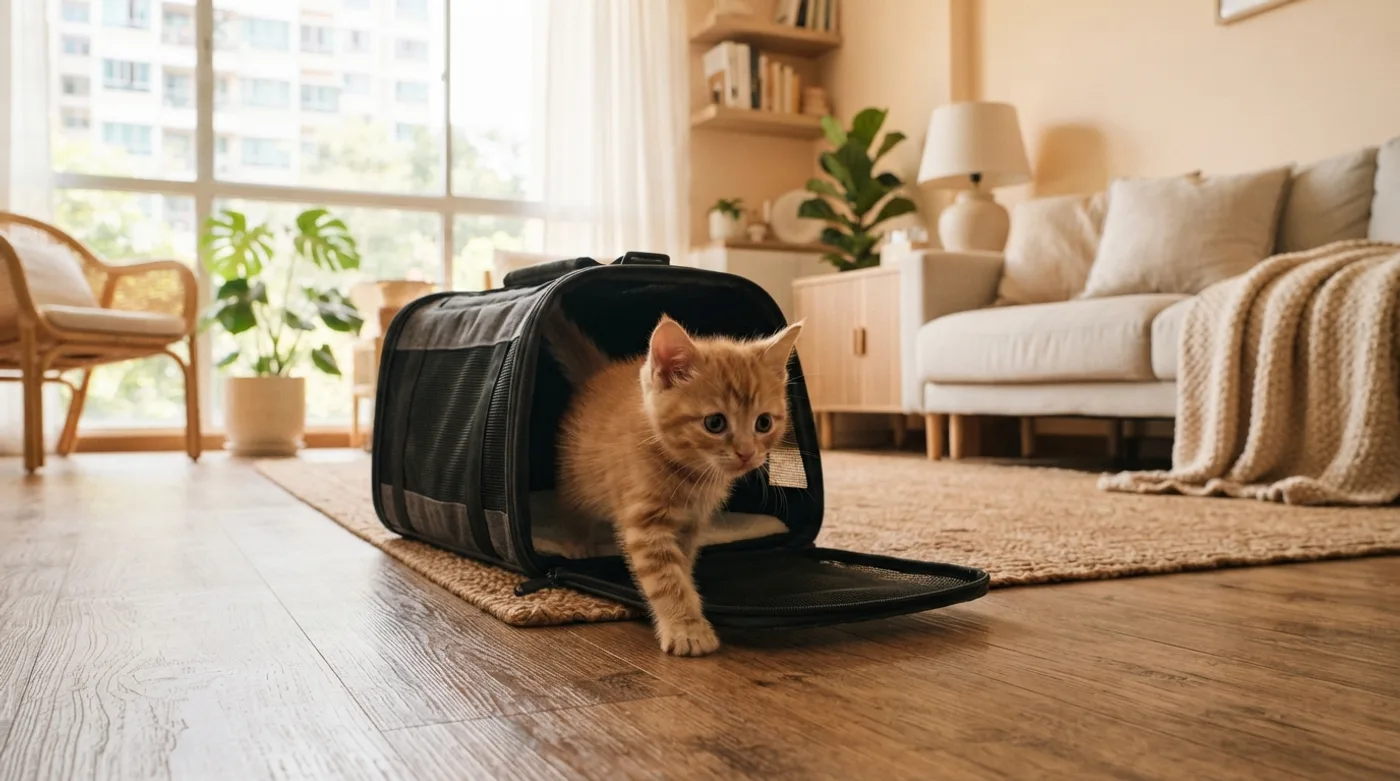
Bringing a kitten home
The first fortnight, in the order that avoids the expensive mistakes.
Read more