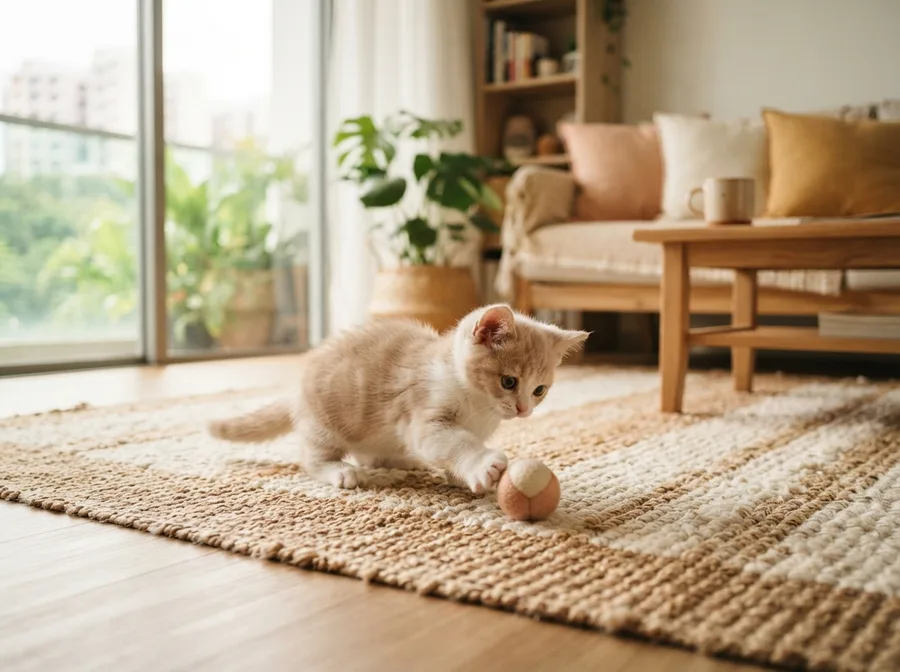
How long you will wait for a Munchkin kitten
Heavily searched here and thinly supplied, which is an uncomfortable combination. Standard-legged Munchkins — the ones that did not inherit the short-leg gene — are usually obtainable; the short-legged kittens people are actually searching for are a minority of any litter and are frequently committed before a litter is announced.
The genetics do the rationing. Breeding two short-legged cats together is not done responsibly, so a Munchkin litter is a cross that yields a mix of short-legged and standard-legged kittens, and only some of them are what the buyer wants. Add a colour preference and the arithmetic gets thin very quickly.
The biggest time-saver: Consider a standard-legged Munchkin seriously — same breed, same temperament, none of the mobility questions — and stay open on colour. If short legs are non-negotiable, expect a genuine wait and treat any instant offer as a reason to check harder.
Nothing above is an offer: we hold no Munchkin kittens and publish no stock list. For the same picture across every breed, see breed-by-breed availability in Singapore.
What a Munchkin kitten is actually like
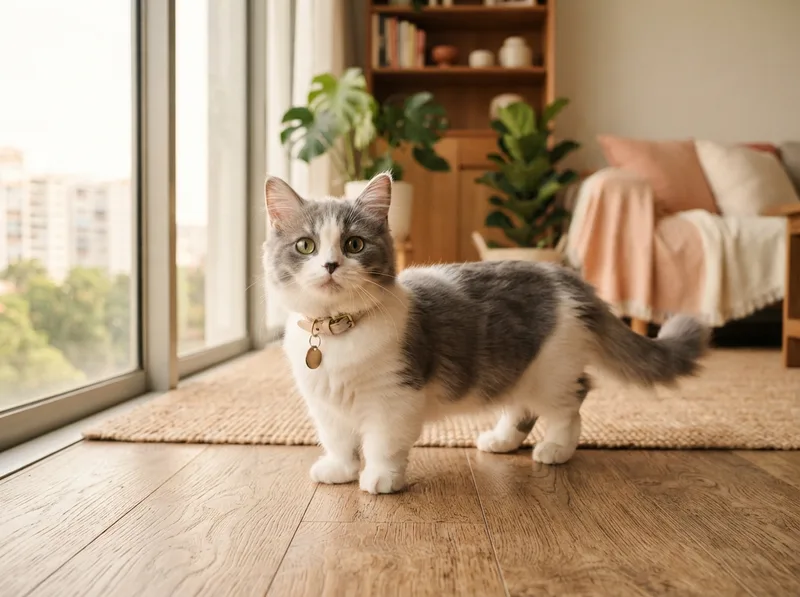
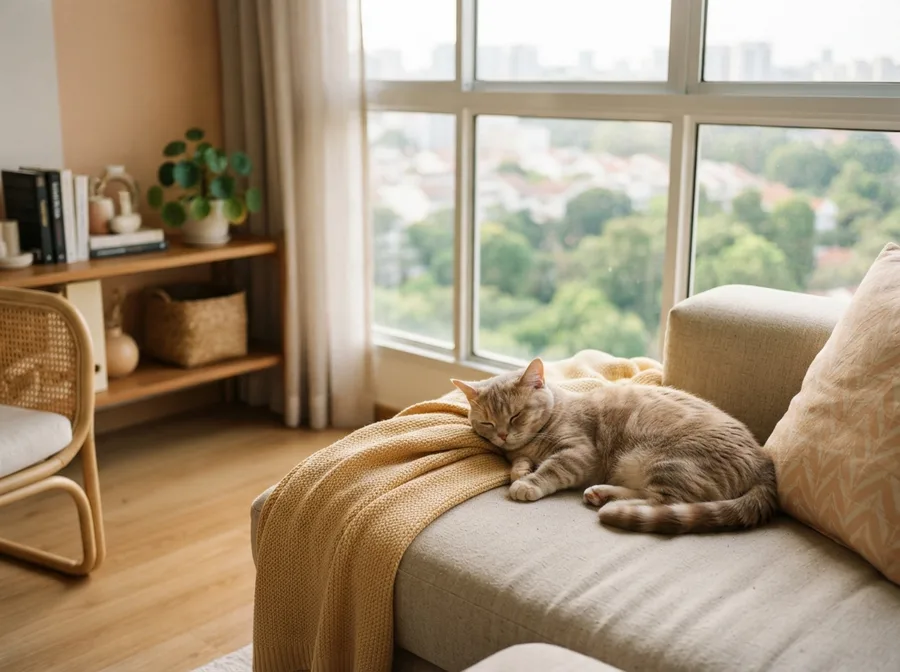
Leg length is visible early, so what you see is broadly what you get on the feature people buy the breed for. What is not visible early is how the cat will move as an adult, and that is the thing worth watching: a well-bred Munchkin runs, jumps and climbs with obvious ease, just closer to the ground. A kitten that looks stiff, sits with its hind legs splayed, or seems reluctant to jump at all is a kitten to walk away from, and no amount of reassurance about it being “just the breed” should change that. Otherwise this is an ordinary, boisterous, confident kitten: the short legs come with a completely normal cat temperament and a normal amount of trouble.
Those three are Munchkin-specific. For the checks that apply to any cattery, see choosing a responsible breeder.
Checklist
- A litter advertised as “all short-legged”. Responsible breeding does not pair two short-legged cats, and a uniformly short-legged litter invites the question of what was crossed with what.
- A kitten that will not jump, sits with its hind legs splayed, or has a visibly dipped back. These are not breed characteristics; they are reasons to leave.
- No willingness to discuss the welfare debate at all. A breeder who has thought it through will engage with it; one who dismisses it has not.
Grooming and daily life with a Munchkin in Singapore
Depends entirely on which coat the litter produced, because Munchkins come in both short and long. A shorthaired Munchkin is a weekly comb and nothing more; a longhaired one needs two or three sessions a week with attention to the britches. The breed-specific note is reach: a short-legged cat cannot groom its own back and rear as thoroughly as a standard cat can, so the areas it cannot reach are the areas you have to. Check the base of the tail and the lower back routinely, and keep the claws trimmed — a cat that cannot reach comfortably is also a cat that takes it out on furniture.
Munchkins are playful, sociable and notably unbothered by their own proportions. In a flat they are easy: they need less vertical drop than an athletic breed, they are content indoors, and they get on with people and other cats. Two adjustments help. Give them steps or a low tier rather than a single tall jump, because they will attempt the tall jump. And keep the litter tray low-entry — a high-sided tray is a daily obstacle for a cat with short legs, and a cat that finds the tray awkward finds somewhere else. Nothing about the breed requires a special flat; it requires furniture placed with the cat’s reach in mind.
What a Munchkin costs to keep
Ordinary running costs, plus one line worth taking seriously: orthopaedic and spinal monitoring. The short-leg trait is a form of chondrodysplasia, and while many Munchkins live entirely uneventful lives, the breed is associated with a raised risk of spinal and joint problems including lordosis and pectus excavatum. That makes an annual check with a vet who knows the breed a sensible standing cost, and it makes insurance worth arranging early and reading carefully, because congenital and breed-associated conditions are exactly what exclusions target. Keeping weight down matters more here than for a long-legged cat.
For Munchkin figures set against other breeds, with every source named and dated, see cross-breed price context; for the month-by-month picture, setup, monthly and annual costs.
Also worth reading: the British Shorthair
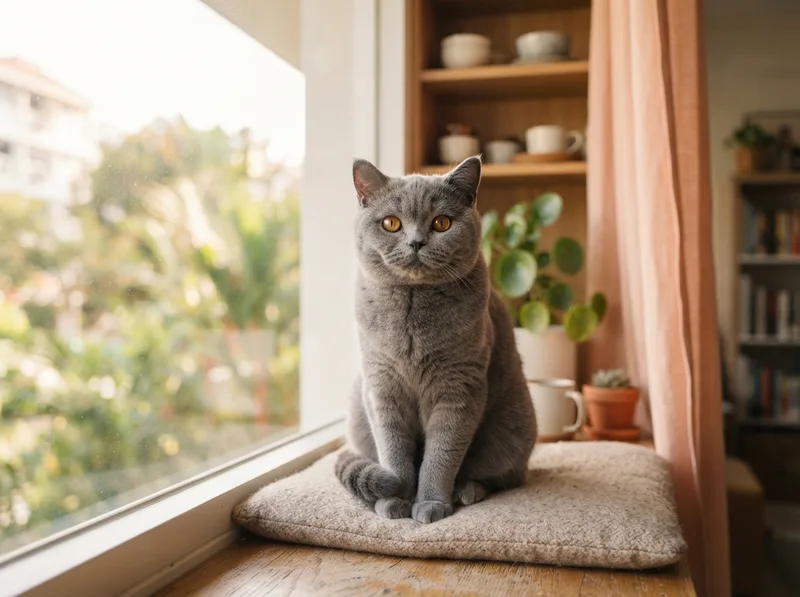
The British Shorthair is the comparison most Munchkin buyers should at least consider, because a great deal of the appeal here — round, compact, cobby, calm — is available in a breed with no skeletal question attached. If the short legs are the point, that is a legitimate choice made with the welfare picture in front of you; if the look is the point, the British Shorthair delivers it without the debate.