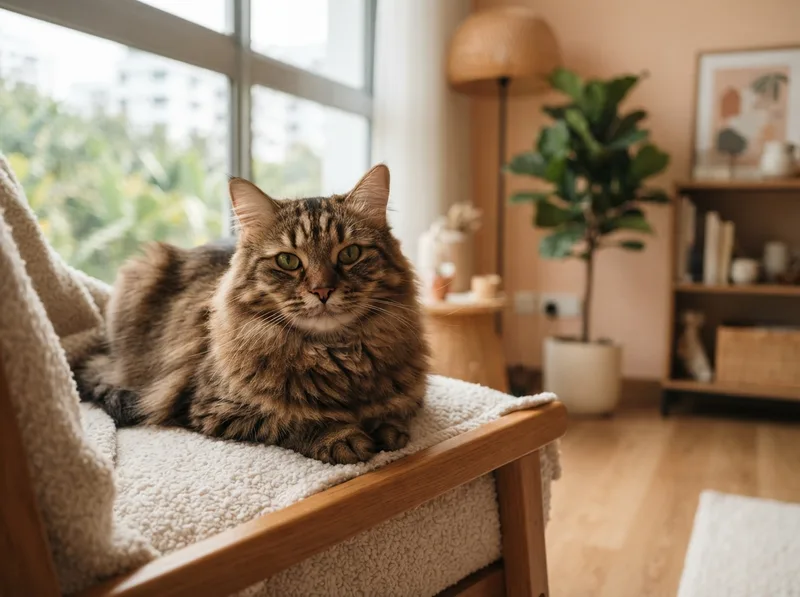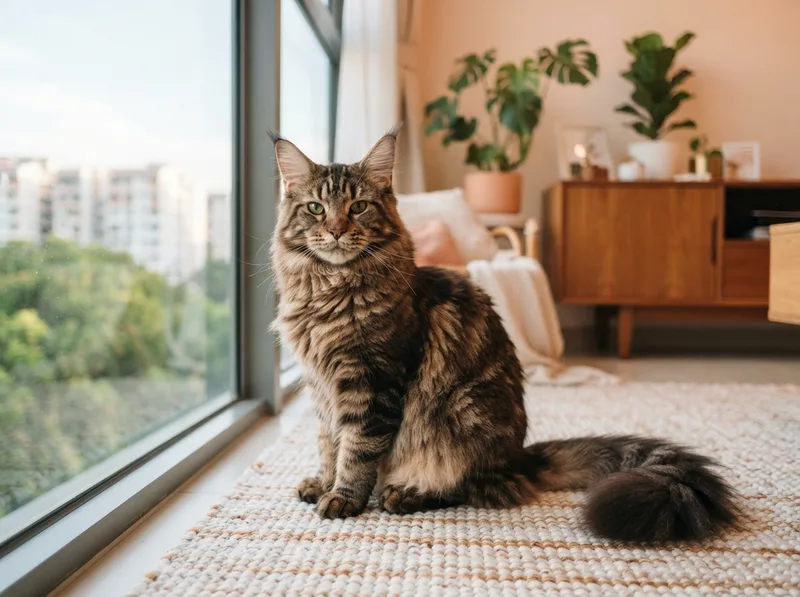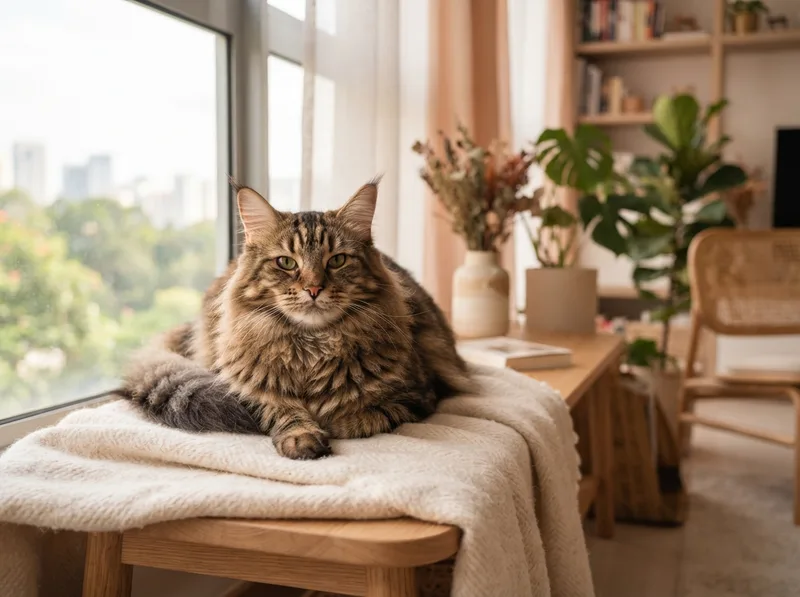
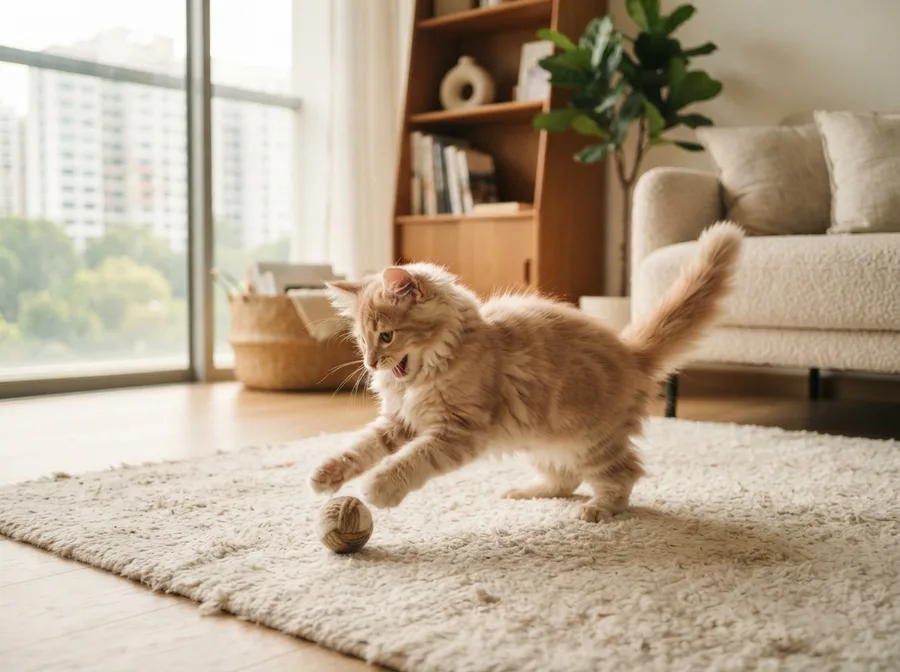
How long you will wait for a Norwegian Forest Cat kitten
Rare in Singapore and a genuine special order. There are very few litters in the region in any given year, so the realistic route is a long-standing enquiry with a cattery that breeds them rather than a search that finds one now.
This is a Scandinavian breed with almost no local breeding base, so essentially everything here is imported. That sets both the wait and the price floor, and it makes the questions about origin, screening and transport age more important than for a locally bred breed.
The biggest time-saver: Look at the Siberian and the Maine Coon in parallel. All three are large, semi-longhaired, sociable northern cats, and the other two are meaningfully easier to find here — if what you want is that kind of cat rather than that specific breed, you can stop waiting.
Nothing above is an offer: we hold no Norwegian Forest Cat kittens and publish no stock list. For the same picture across every breed, see which breeds are quick and which are not.
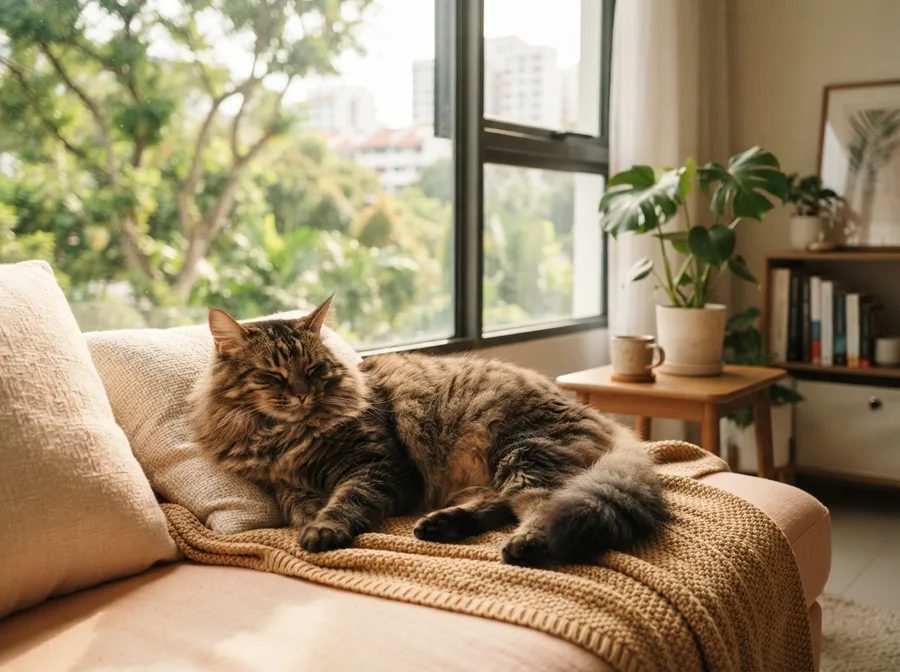
What a Norwegian Forest Cat kitten is actually like
A slow-maturing kitten in a slow-maturing breed: Norwegian Forest Cats generally take four to five years to reach full size and full coat, which is longer than the Maine Coon and considerably longer than most buyers expect. The kitten stage is athletic and confident — this is a climbing breed and it starts early — and the coat at twelve weeks is a fraction of what it will become. Because nearly every kitten here is imported, the practical checks shift: ask when the kitten travelled, at what age, what health screening accompanied it, and whether you can see the parents at all, even by video from the origin cattery.
Those three are Norwegian Forest Cat-specific. For the checks that apply to any cattery, see vetting the person selling the kitten.
Checklist
- Confusion with the Maine Coon, deliberate or otherwise. They are different breeds with different head shapes and coat structures, and “Norwegian Maine Coon” is not a thing.
- No detail on the origin cattery, the travel age or the screening that came with an imported kitten. For a breed that is essentially all imported, that is the whole provenance story.
- No named testing for GSD IV or HCM in the parents.
Grooming and daily life with a Norwegian Forest Cat in Singapore
Two or three sessions a week, rising sharply during coat turnover. The Norwegian Forest Cat has a water-resistant double coat with a woolly undercoat — evolved for Scandinavian winters — and when it moults it does so comprehensively. A wide-tooth comb and an undercoat rake are the right tools, and the britches and the ruff are where mats form. In this climate expect the moult to be less seasonal and more continuous, and expect an air-conditioned cat to hold more coat. Many owners here use a professional groomer during heavy periods; a hygiene trim is common, a full clip rarely necessary.
A confident, independent, physically capable cat that wants altitude more than lap time. Norwegian Forest Cats climb properly and will use the top of a wardrobe as a default position, so vertical space is not decorative for this breed. They are calmer and less demanding than a Bengal and less attention-seeking than a Ragdoll — affectionate on their own schedule. The Singapore constraint is heat, and it is the same as for the Siberian: a heavy northern coat in a tropical flat means air conditioning matters, ventilation matters, and a hot still afternoon is genuinely uncomfortable for the cat.
What a Norwegian Forest Cat costs to keep
High, and mostly for structural reasons. Import means the purchase is expensive; size means food, litter and furniture cost more; the coat means grooming tools and periodic professional sessions; and the climate means cooling. On the health side, glycogen storage disease type IV and hypertrophic cardiomyopathy are both documented in the breed and both have testing available, so parental screening is a purchase question and periodic cardiac monitoring is a reasonable standing cost. Insurance is worth arranging early given the hereditary list.
For Norwegian Forest Cat figures set against other breeds, with every source named and dated, see price bands and what moves them; for the month-by-month picture, food, litter, vet and the rest.
Also worth reading: the Siberian
The Siberian is the closest honest substitute — same size class, same semi-long double coat, same sociable northern temperament, and a slightly better chance of finding one in this region. Buyers who arrive wanting a Norwegian Forest Cat and leave with a Siberian are usually happy; the reverse is rarer only because the Siberian is easier to find.