What "suits a flat" actually means
Most breed-for-flat advice measures the wrong thing. It compares body size against floor area, as though a cat were furniture. In a Singapore flat, four other variables matter far more, and together they explain almost every mismatch we see between an owner and their cat.
Energy and drive. A cat that needs a job will find one. In a flat with no climbing height and no structured play, that job becomes your curtains, your 4am sleep, or your ankles. This single variable separates the easy breeds from the demanding ones more cleanly than any other.
Noise. Flats have shared walls and close neighbours. A vocal breed is a genuine consideration, not a quirk — and it is one of the few things about a cat you truly cannot train away.
Coat versus climate. Singapore is hot and humid; most cats here live in air-conditioned rooms. Heavy coats are entirely keepable and become a daily commitment. Be honest about how many minutes a day you will actually spend brushing.
Tolerance of being alone. Working households leave a cat for ten or eleven hours. Some breeds sleep through it comfortably. Others do not, and the ones that do not are much better off in pairs.
Breed comes after route. Where kittens in Singapore actually come from explains both, and what each one asks of you.
Excellent for flat living
Calm, quiet, undemanding, and happy to sleep through a working day. If you want the low-friction option, choose here.
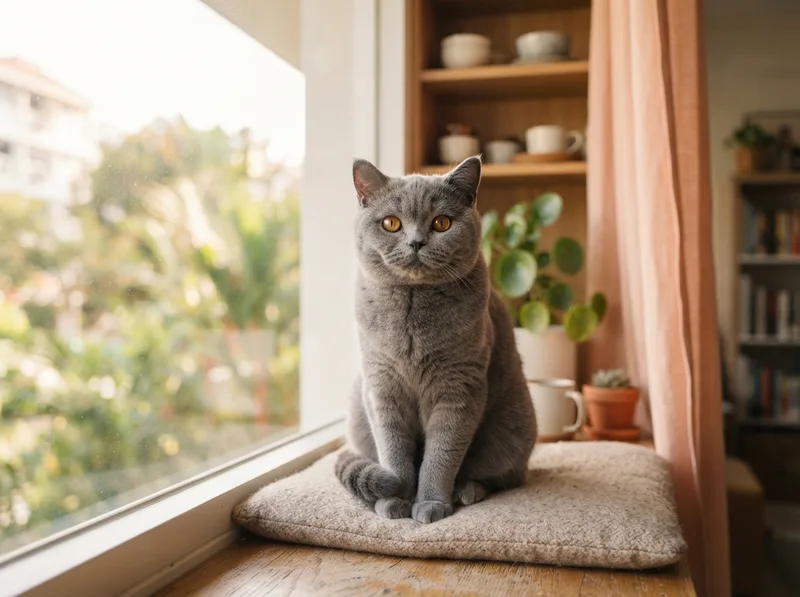
British Shorthair
First-time owners, working households, and HDB flats wanting a calm, undemanding cat.
Read more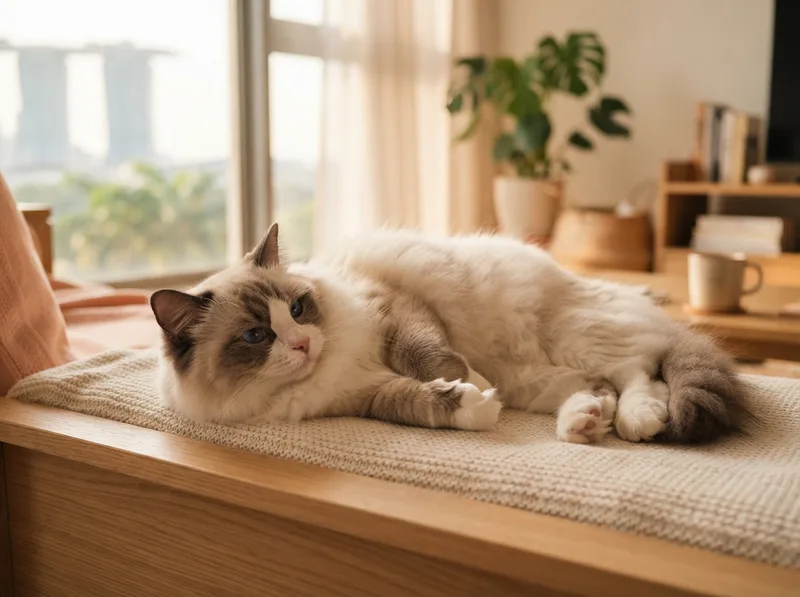
Ragdoll
Families, first-time owners and anyone wanting a cuddly, low-drama lap cat for a flat.
Read more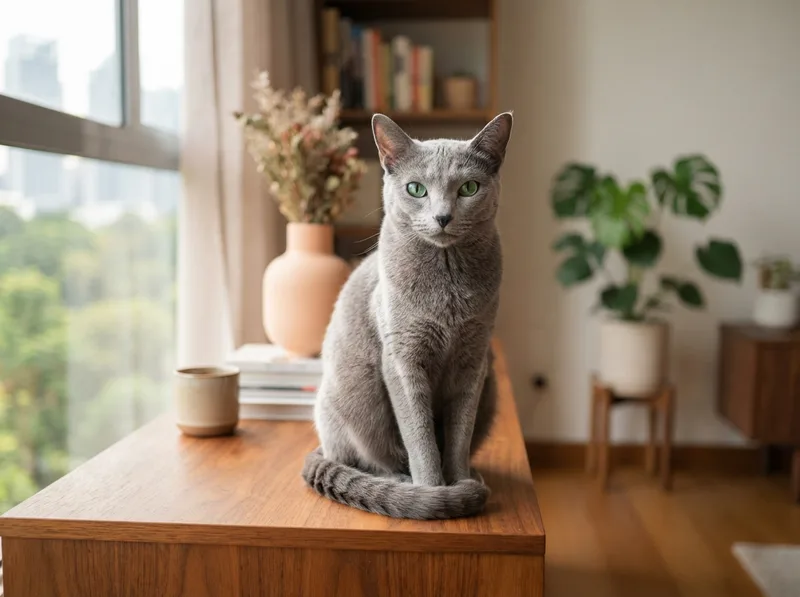
Russian Blue
Quiet households wanting a gentle, loyal, low-shedding and healthy cat.
Read more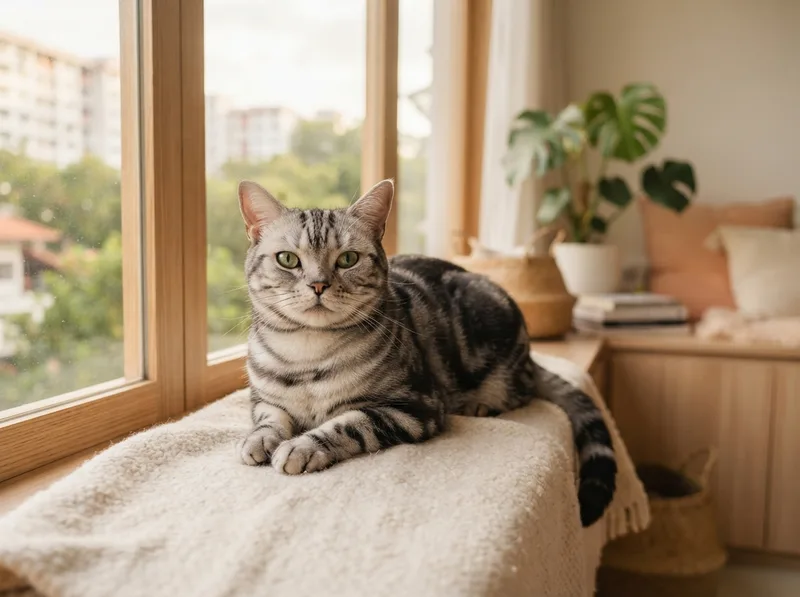
American Shorthair
First-time owners and families wanting a healthy, balanced, low-maintenance cat.
Read more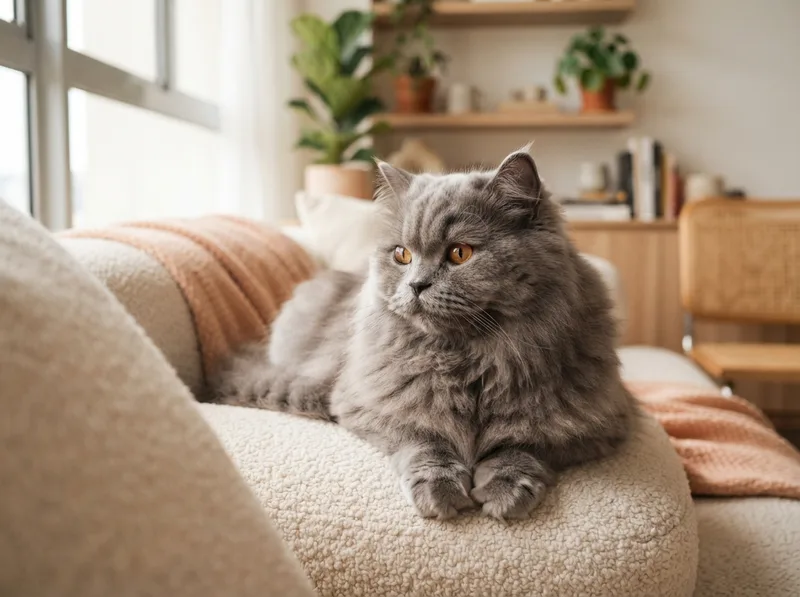
British Longhair
Owners wanting a calm, plush, low-drama cat and happy to brush a longer coat.
Read more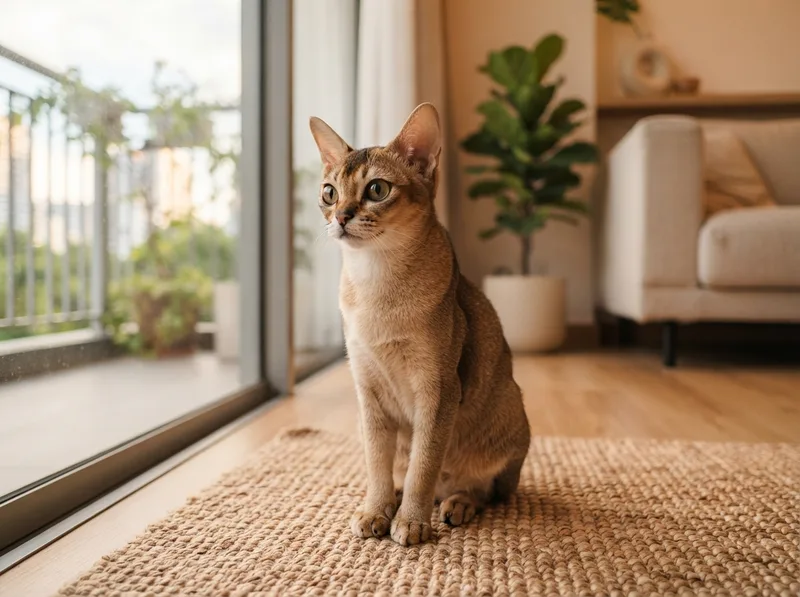
Singapura
Owners drawn to a small, lively, historically significant cat who are patient about availability.
Read moreGood in a flat, with a little planning
These work well indoors provided you meet one specific demand — usually grooming, or a bit more play.
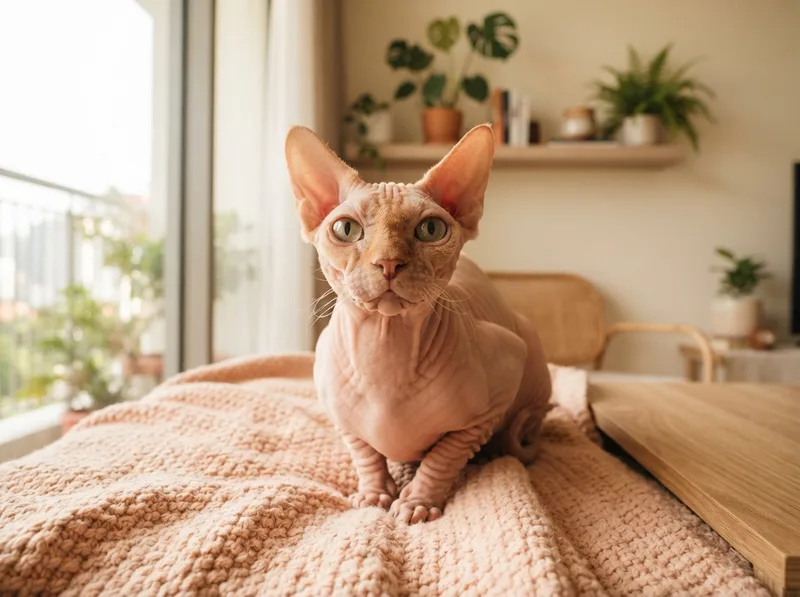
Sphynx
Owners wanting an affectionate, unusual, interactive cat and happy to bathe them weekly.
Read more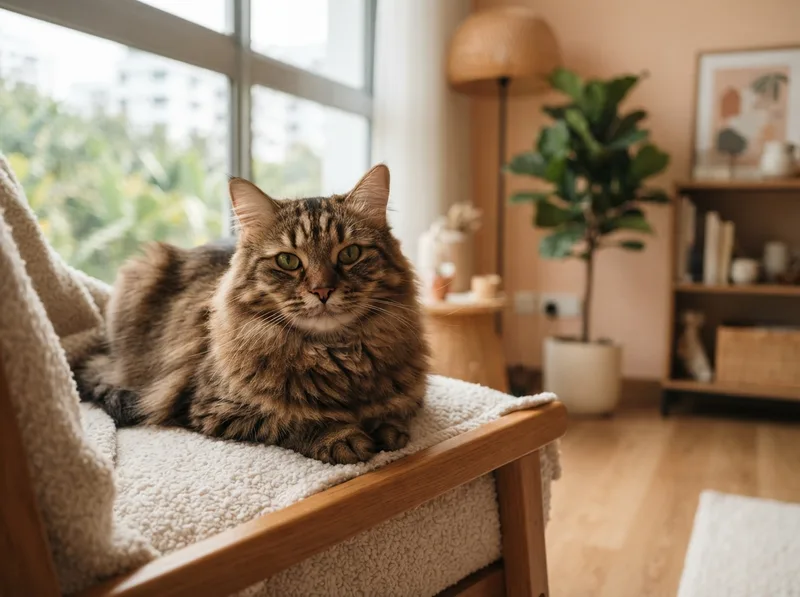
Siberian
Families, including some allergy sufferers, wanting a sturdy, friendly, playful cat.
Read more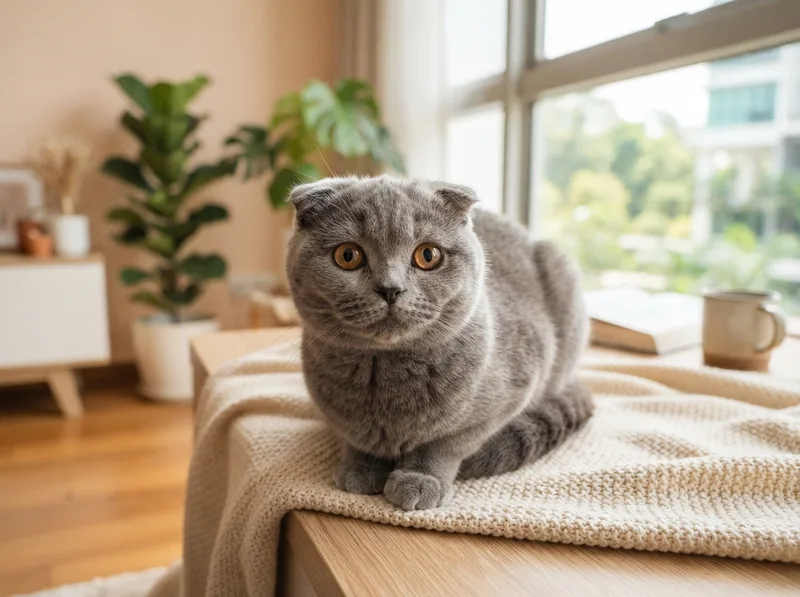
Scottish Fold
Buyers who have read and accepted the welfare issues and will choose a rigorously screening breeder.
Read morePossible, but build the environment first
Not bad cats. Cats whose needs a bare flat does not meet by default — so meet them deliberately.
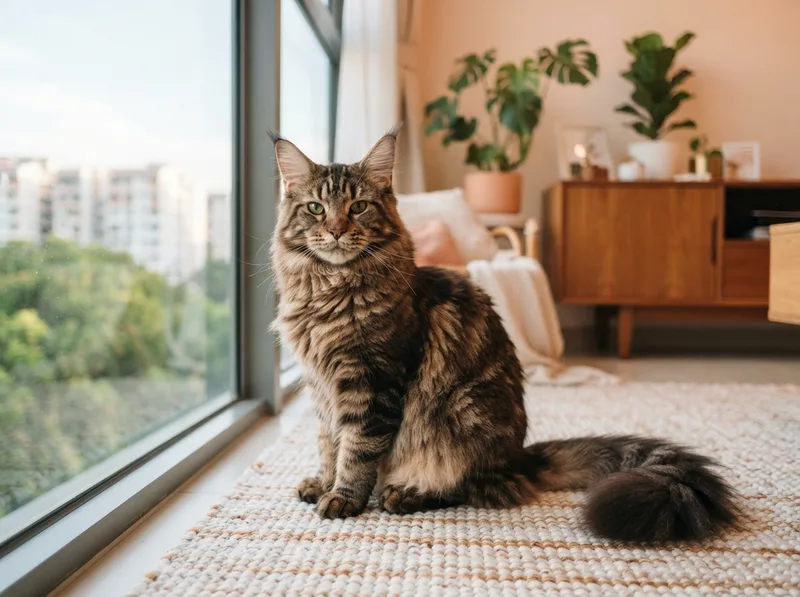
Maine Coon
Owners wanting an affectionate, interactive, dog-like cat and willing to groom regularly. Think twice if: you have a very small space or limited time for grooming and play.
Read more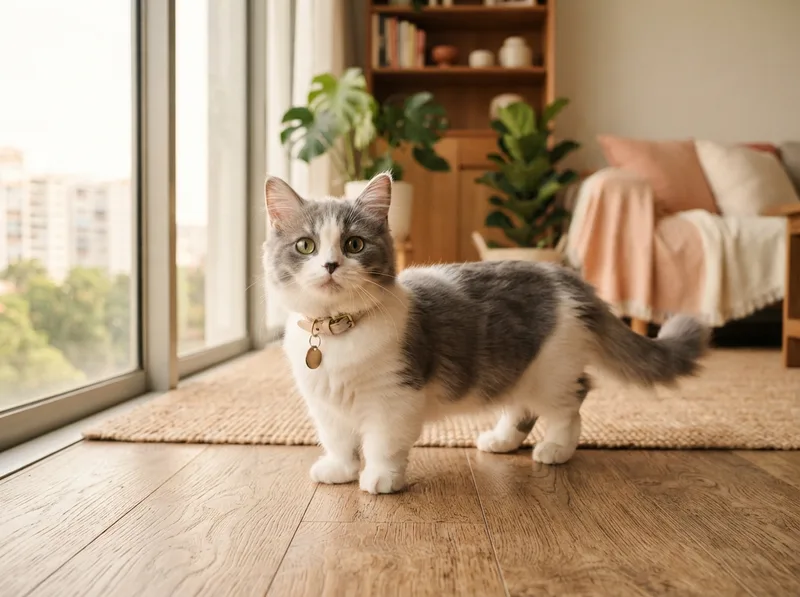
Munchkin
Owners in compact flats wanting a playful, sociable small cat, who will vet the breeder carefully. Think twice if: you are uncomfortable with the ethics of breeding for a dwarfism trait — consider a breed without it.
Read more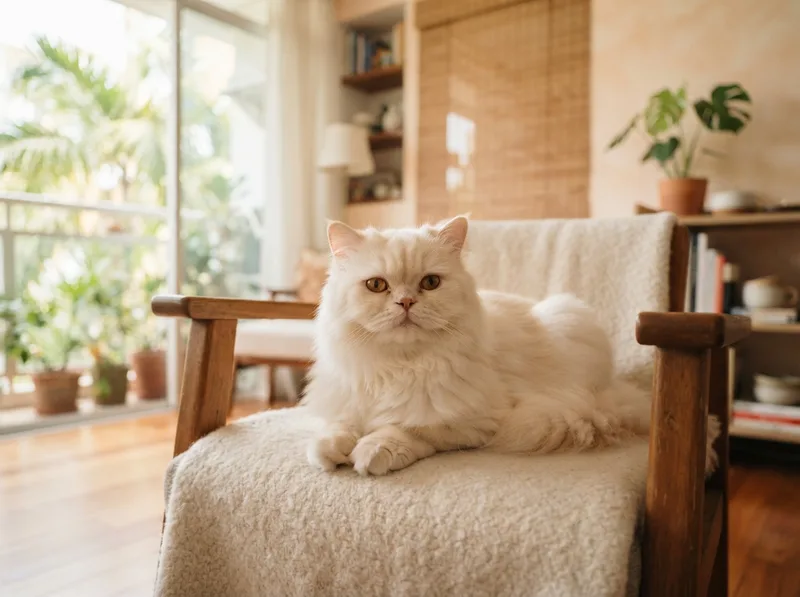
Persian
Calm households that enjoy grooming and want a gentle, quiet companion. Think twice if: you want a low-grooming cat or cannot keep interiors cool — consider a shorthair.
Read more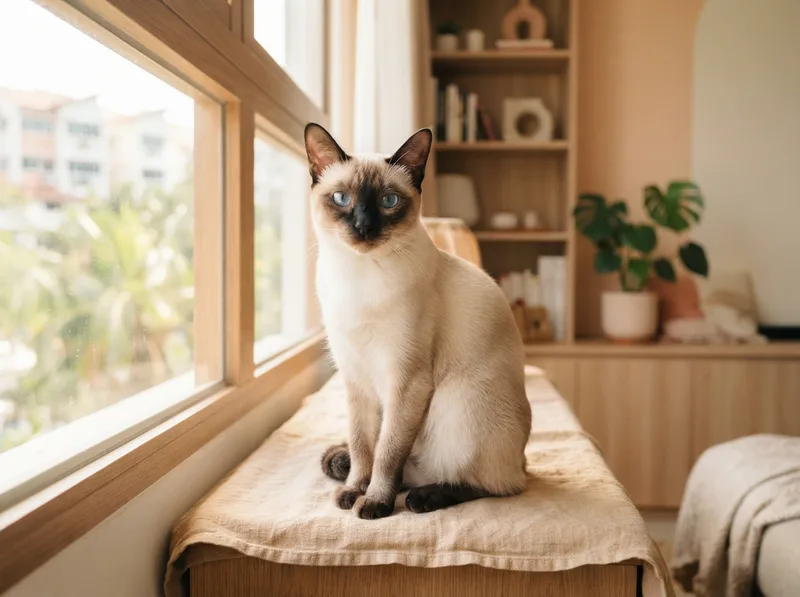
Siamese
Interactive owners who are home often and want a talkative, affectionate, trainable cat. Think twice if: you want a quiet, independent cat or are out all day.
Read more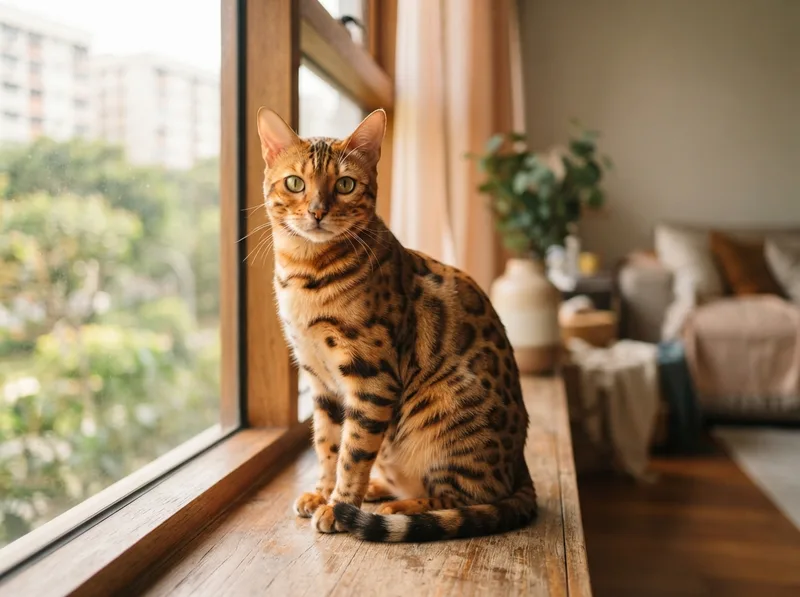
Bengal
Active owners who can provide vertical space, play and enrichment every day. Think twice if: you want a calm lap cat or have limited time and space — bengals need a lot.
Read more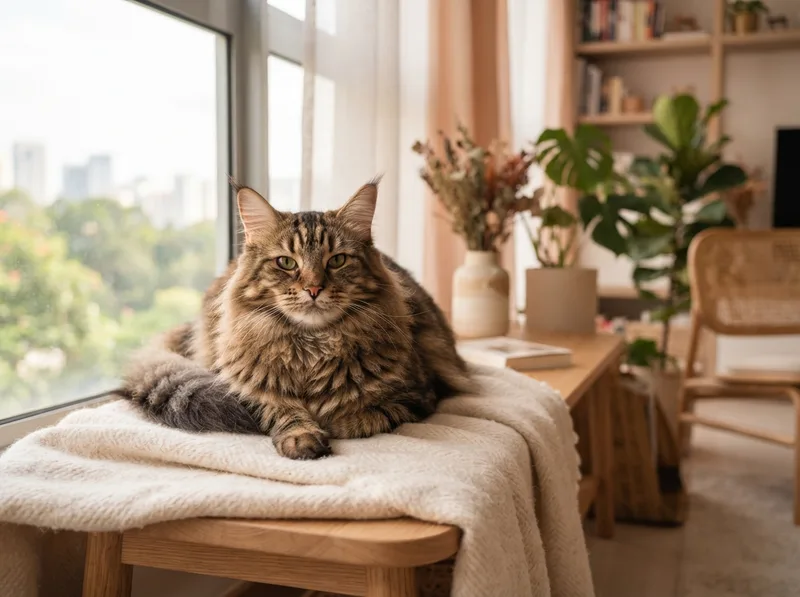
Norwegian Forest Cat
Owners wanting a large, gentle, climbing cat and able to groom and keep interiors cool. Think twice if: you cannot keep the flat cool or commit to grooming a heavy double coat.
Read moreThe flat matters as much as the breed
A well-set-up three-room flat beats a bare five-room flat for almost every cat on this list.
Owners tend to obsess over breed choice and then keep the cat in an environment with no vertical space, one scratching post and a window it can see but never sit at. The environment is the easier variable to change, and changing it fixes more behaviour than switching breeds ever would.
Checklist
- Height — a cat tree or a shelf run gives a flat three dimensions instead of two
- A window seat behind mesh — the single best piece of enrichment in any flat
- Scratching posts tall enough for a full stretch, or the sofa becomes one
- Structured play — ten minutes of wand play, twice daily, for the higher-energy breeds
- Puzzle feeding so meals take minutes instead of seconds
- A quiet retreat the cat can reach when the household gets loud
Matching the breed to your actual household
The decision matrix, based on the thing that really constrains you.
| If this is your situation | Look at | |
|---|---|---|
| Out ten hours a day | Independent, tolerant of solitude | British Shorthair, Russian Blue, American Shorthair — and consider two |
| Thin walls, close neighbours | Quiet by nature | British Shorthair, Persian, Exotic Shorthair, Scottish Fold |
| Want a lap cat | Affectionate, tolerant of handling | Ragdoll, Persian, British Longhair |
| Young children | Placid, robust, tolerant | Ragdoll, British Shorthair, Maine Coon |
| Minimal grooming time | Short, easy-care coat | British Shorthair, Russian Blue, Singapura, American Shorthair |
| Want an active, interactive cat | High drive — build the environment | Bengal, Siamese, Siberian |
| Allergy in the household | Lower-shedding options — no cat is truly hypoallergenic | Sphynx, Russian Blue — always trial contact first |
Before you choose, check the rules
Whichever breed you land on, the framework applies identically: up to two cats per HDB flat, every cat microchipped and licensed, licensing free until 31 August 2026. There is no approved-breed list for cats, so the breed decision is entirely yours to make on fit rather than on permission.
The one non-negotiable is safety. Mesh every window before the cat arrives — that applies as much to a placid British Shorthair as to a Bengal, because the fall risk is a property of the building rather than the breed.
Full detail in cats in HDB flats, cat licensing, and how many cats you can keep — and if you would rather read the framework as rules rather than as guidance, every HDB cat rule set out one by one.
How we rate a breed for flat living
Four things decide whether a cat does well in an HDB flat, and none of them is how the cat looks.
Activity level comes first. A high-drive cat in a flat with nothing to climb is not a bad cat, it is an under-exercised one, and the behaviour that follows gets blamed on the breed. A small cat breed is not automatically the answer either — a Singapura is small and busy, while a much larger British Shorthair will sleep through the same afternoon. Match the cat to the hours your flat is empty, not to your floor area.
Heat is the Singapore-specific filter that breed lists written elsewhere leave out. Every cat here is an indoor cat, and a dense double coat or a flat face changes what your air conditioning has to do. Coat length is a daily grooming decision in this humidity rather than a weekly one, and a brachycephalic cat cools itself inefficiently in a way that matters on a still afternoon.
Two things people expect to find here and will not. There is no approved breed list for cats in Singapore — unlike the dog schedules, the Cat Management Framework does not restrict which breeds may be kept, so any breed on this site is permitted in a flat within the two-cat cap. And nothing on this page beats a well-chosen domestic shorthair on cost, health or adaptability: a moggie from a shelter is the lowest-risk cat in this market, and the only thing it will not give you is a predictable look.
Window mesh is not a breed question. It applies to the calmest cat in this list, because cats fall while distracted rather than while exploring.
Key numbers
- Activity level
- The single best predictor
- Adult size
- Matters less than height available
- Coat vs heat
- Dense coats need cooling
- Voice
- Shared corridors carry sound
- Tolerance of solitude
- Hours the flat sits empty
- Window mesh
- Required regardless of breed