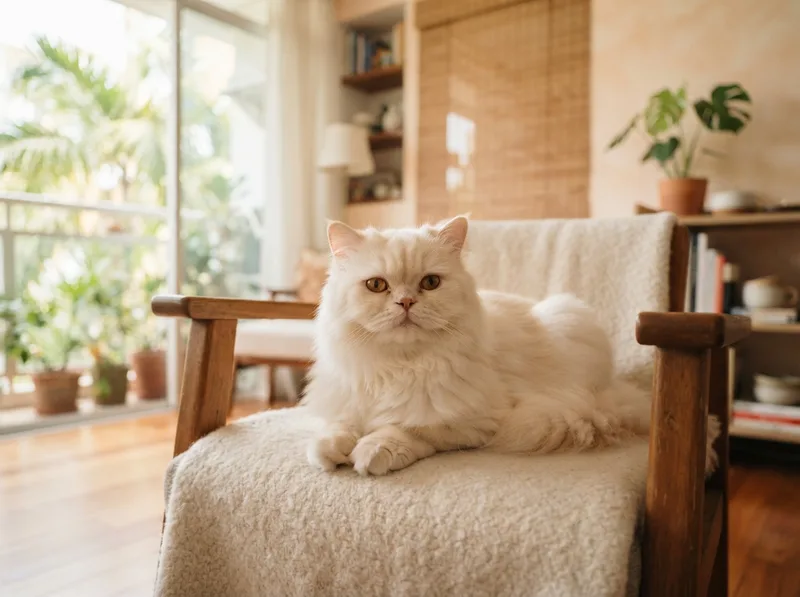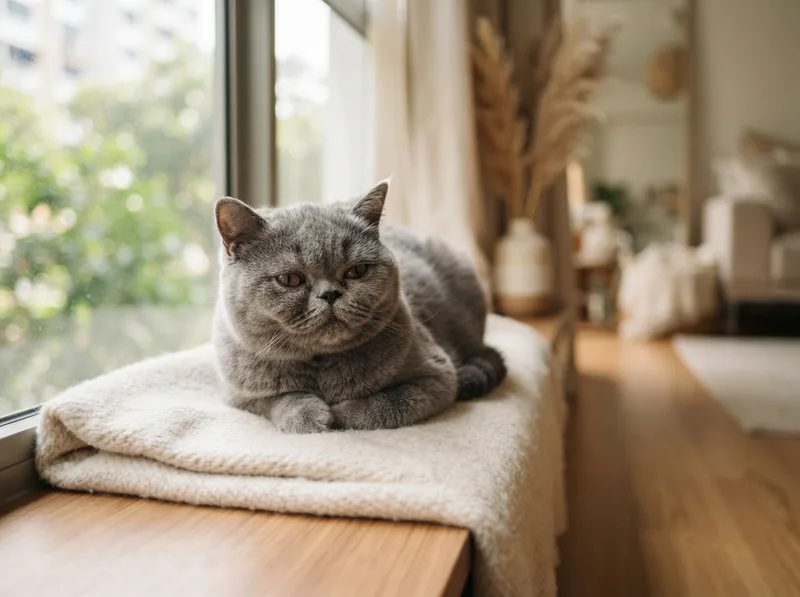
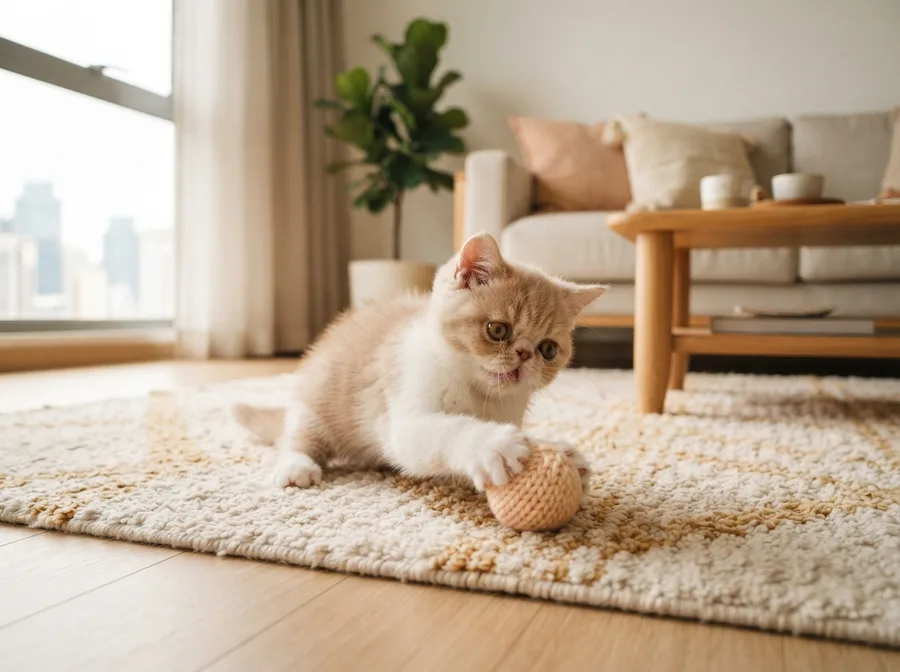
How long you will wait for a Exotic Shorthair kitten
Obtainable, and usually through Persian catteries rather than as a separate search, since the two are bred together. As with the Persian, the constraint here is not finding a kitten — it is finding one with a face that will not cause it problems.
The Exotic Shorthair is the shorthaired Persian, produced from the same breeding programmes, and Persians have been bred widely in this region for decades. Supply is broad and quality varies just as widely, which puts the burden of discrimination on the buyer rather than on the wait.
The biggest time-saver: Ask Persian breeders directly for shorthaired kittens, and use the time you are not spending on a waiting list to assess nostrils, breathing and tear staining properly.
Nothing above is an offer: we hold no Exotic Shorthair kittens and publish no stock list. For the same picture across every breed, see what to expect on supply.
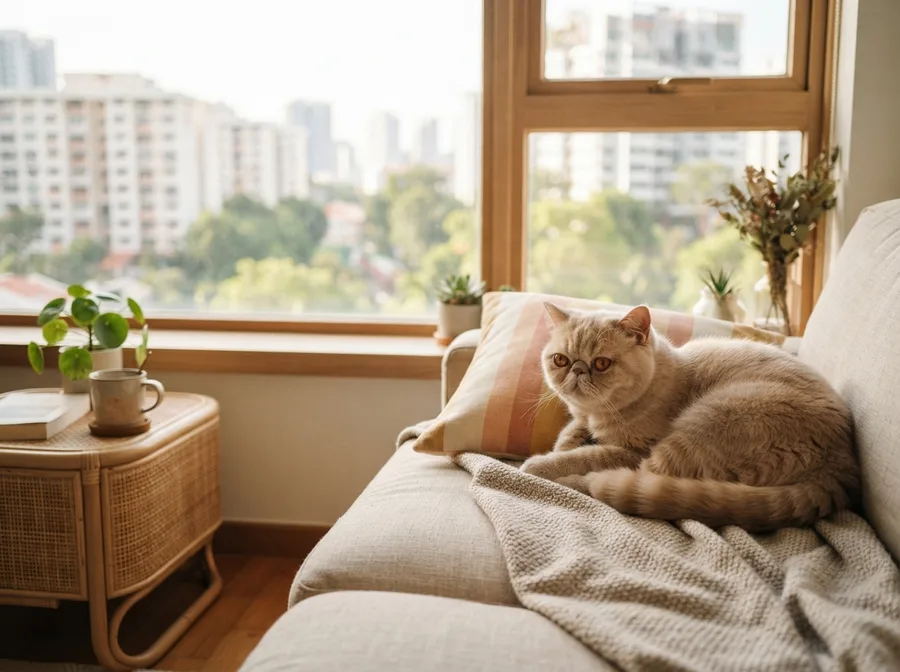
What a Exotic Shorthair kitten is actually like
Round, placid and slow-moving, and easier to read than a Persian kitten because there is no coat to hide behind. That is genuinely useful: the facial structure you need to assess is fully visible at eight weeks. Look at nostril width, listen for snuffling or audible breathing at rest, and check the eye corners for staining — all three follow from bone structure and will not improve as the kitten grows. Coat is stable from early on, so unlike most breeds on this site there is no waiting to find out what you have. Expect a gentle, handleable, undemanding kitten with far less kitten energy than average.
Those three are Exotic Shorthair-specific. For the checks that apply to any cattery, see what a legitimate handover looks like.
Checklist
- Extreme flat type — nose sitting between the eyes, pinched nostrils, breathing you can hear across a room. It is sold as the look and it is a welfare problem.
- A shorthaired kitten from a Persian litter sold at a premium as something rarer than it is. It is a normal outcome of the same breeding.
- No PKD testing named for the parents.
Grooming and daily life with a Exotic Shorthair in Singapore
A weekly comb, which is the whole point of the breed. The coat is short but plush and dense — Persian density on a short coat — so a metal comb beats a brush, and there is no mat risk to manage. What does need daily attention is the face: a flat-faced cat with poor tear drainage needs the eye corners wiped, and skipping it produces the staining and skin irritation you see on badly kept flat-faced cats. Budget one minute a day for that and five minutes a week for the coat, and you have the entire routine.
One of the calmest, quietest, most flat-suited cats on the site. Exotic Shorthairs do not climb much, do not vocalise much, and are content in a small space with a person nearby — the Persian temperament without the Persian coat. Heat is the caveat and it is a real one: a brachycephalic cat cools itself inefficiently, and Singapore is a hard climate for a short-nosed animal. Air conditioning matters, ventilation matters, and open-mouthed breathing on a warm day is a signal rather than a quirk. Keep play gentle and keep the cat lean, because a heavy brachycephalic cat breathes worse than a light one.
What a Exotic Shorthair costs to keep
Much lower than a Persian’s, because the grooming bill largely disappears — no professional sessions, no sedated de-matting. What remains is the face. Budget for brachycephalic consequences: dental crowding in a compressed jaw, blocked tear ducts, and airway problems that in some cats warrant surgical assessment. Polycystic kidney disease is documented in the breed as it is in the Persian, so parental genetic testing is a purchase question and renal monitoring is sensible later in life. Insurance is worth reading closely for brachycephalic and hereditary exclusions.
For Exotic Shorthair figures set against other breeds, with every source named and dated, see kitten pricing in Singapore; for the month-by-month picture, ongoing costs of cat ownership.
Also worth reading: the Persian
The Persian is the same cat with a coat that needs daily work, and choosing between them is almost purely a grooming decision. The more useful comparison, if the flat face is what worries you, is the British Shorthair: comparably round and calm, with a nose that works.